Total Pageviews

Friday, 3 July 2015

Vaccines Could Be the Answer for Conquering Rheumatoid Arthritis

Good News to all Arthritis Patient: A rheumatoid arthritis vaccine may soon become a reality for treating both the symptoms and underlying cause.


The traditional approach to treating rheumatoid arthritis (RA) involves therapies that try to slow down the disease process and alleviate symptoms. A new vaccine, however, may change that by focusing instead on the underlying cause and not simply masking the symptoms or slowing progression.


Different Way of Arthritis Treatment

According to a clinical trial that was published in Science Translational Medicine, the newly created vaccine-style treatment has been proven to be safe and effective for treating the root cause of RA.
By tackling the underlying cause, patients may experience a better prognosis and quality of life.
“Current therapies only treat the symptoms and slow the progression of disease,” said Professor Ranjeny Thomas, head of the autoimmunity division at the University of Queensland Diamantina Institute in Australia. But this new vaccine will do more than that, by suppressing the immune system right off the bat.


As Thomas explained, “We have designed a vaccine-style treatment or ‘immunotherapy’ specifically for individuals carrying high-risk rheumatoid arthritis genes and specific rheumatoid arthritis antibodies, called anti-CCP.”


How Does It Work?

“This treatment teaches the patient’s immune system to ignore a naturally occurring peptide that is incorrectly identified as ‘foreign,’ resulting in the production of CCP antibodies and causing inflammation,” explained Thomas.

Researchers were able to reduce inflammation by taking blood from each RA patient involved in the study, treating and retraining the cells, and then injecting the blood back into the patient. The injection of the patient’s own modified cells was proven to be safe. It was also an efficient way to essentially stop RA flares before they start.


“At this stage, the technique would not be ideal for widespread treatment or prevention of rheumatoid arthritis because it’s costly and time-consuming,” said Thomas in a statement to the press.


“However, the promising results of this trial lay the foundations for the development of a more cost-effective, clinically-practical vaccine technology that could deliver similar outcomes for patients,” she added. Authors of the study noted that the findings may be beneficial for other autoimmune ailments in the future.


What Are The Other People Saying? 

Natural health practitioner Jenna Stone, HHC, AADP, of Poughkeepsie, New York, said, “It makes sense that a vaccine created by a patient’s own modified cells would in essence retrain their immune system, if they have an autoimmune disorder. In autoimmune illnesses like rheumatoid arthritis, we see the immune system attacking healthy cells instead of harmful invaders like it was created to do.” Stone agreed with the researchers that it simply made sense as a medical theory to try to put this formula into practice.

Picture for illustration only
"I’ve tried pretty much everything and will continue to try anything that works in healing or taming this awful disease." says Laurie Keens, rheumatoid arthritis patient


“It seems that this vaccine treatment would retrain or confuse the immune system enough to be effective in treating and even preventing these inflammatory conditions like RA. Often our body creates disease but also has the power to heal it. This is a prime example of that notion combined with modern science to form a winning approach,” she said.


RA patient Laurie Keens, of Bonner, Idaho, said she would be on board with a treatment method like this. “I’ve tried pretty much everything and will continue to try anything that works in healing or taming this awful disease,” she said. “If a vaccine could help my symptoms even a little bit, it’s worth a try. And if it can help me, if it can help to prevent future generations from developing RA in the first place, then I’m all for it.”


While the vaccine idea is in its early stages and is presently rooted more in theory than application, it could hold a lot of hope for Keens and other people with RA in the not-so-distant future.


For more health info and promotions, please follow us on Facebook- Wellness Lab
Download Wellness Lab Mobile App now for more promotions 
If you like this article, you can share this to your friends and families , together we share the health information and the taste of a healthy life!

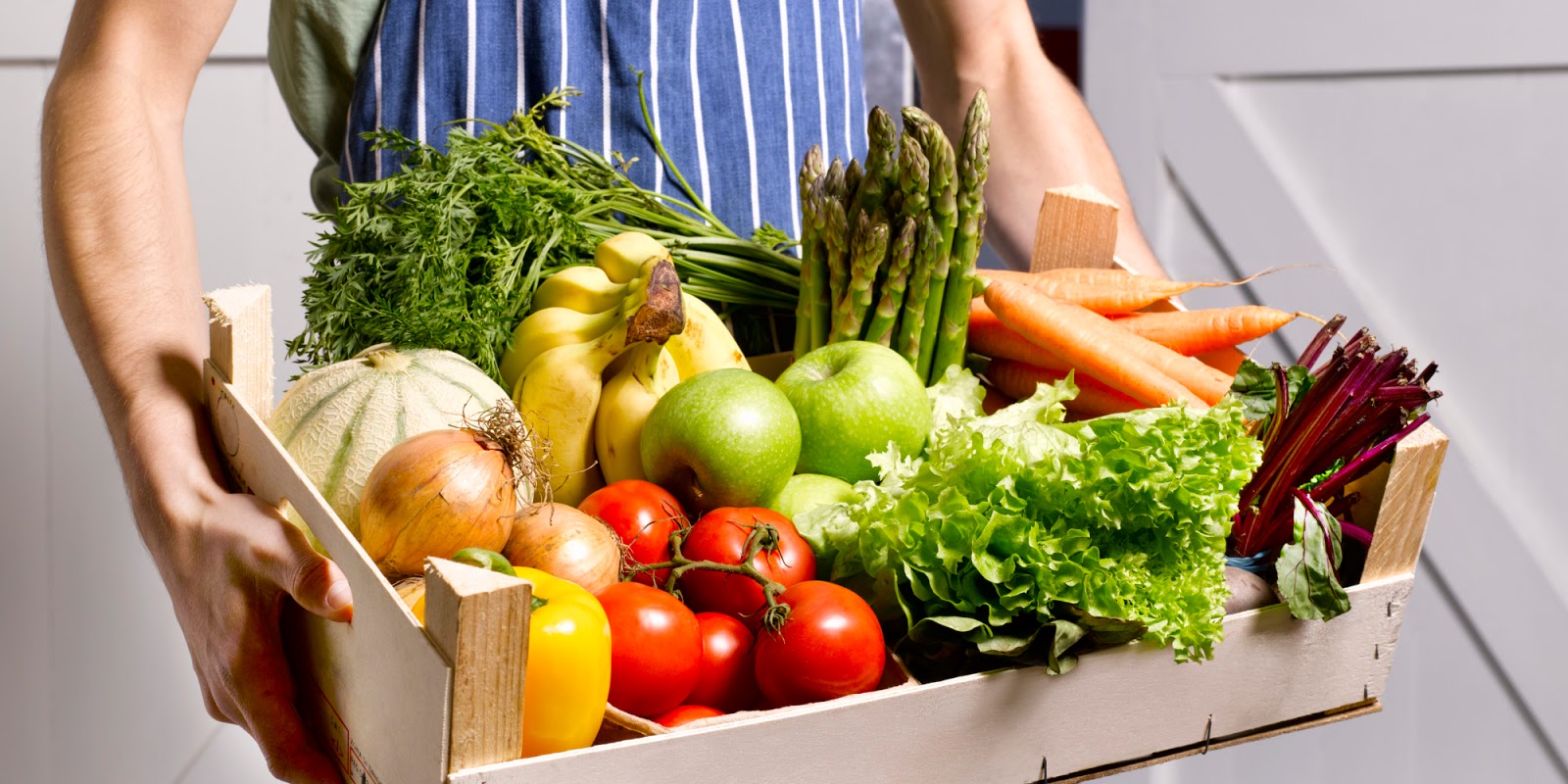
10 Super Foods You’re Probably Eating It Wrongly

Even if you eat plenty of fruits and veggies and already know about the latest and greatest Super Foods on the market, that’s only half the battle. The other half: understanding how to reap the biggest benefits from all that hard work. We asked a pair of registered dietitians to pinpoint the big mistakes that are preventing you from extracting the most vitamins and minerals from the foods you eat.


Flax seeds

These little pods have lots of health benefits locked inside of them: they’re high in fiber, heart-healthy omega-3s, and lignans, which are phytochemicals that may have cancer-protecting properties. But your body may not be able to digest whole flax seeds, sprinkling a handful into your morning smoothie or onto your yogurt snack won’t get you very far in the nutrient department. According to Katherine Zeratsky, RD, a registered dietitian with the Mayo Clinic, most experts actually recommend eating flax seeds ground. Buy them pre-ground or throw them in a coffee grinder, spice mill, or a specially designed flax mill so you don’t end up flushing the health benefits away.


Black tea

Before you pour yourself another cup of tea, make sure you’re not also reaching for milk: Studies have shown that while the addition of dairy to black tea doesn’t affect the herbal drink’s antioxidants, it does negate any cardiovascular benefits you might have been hoping to reap. Milk proteins can bind with the catechins in tea, which can make the beneficial plant compounds more difficult for the body to absorb.


Broccoli

We totally understand: You can only eat so much raw or steamed broccoli before it gets really boring. But if you want to get the most health mileage from this cruciferous veggie, resist the urge to boil or fry it. Broccoli is loaded with vitamin C, chlorophyll, antioxidants, and anticarcinogenic compounds, and a 2009 Chinese study found that to keep those health benefits intact, steaming is the best cooking method. Boiling and stir-frying were found to cause the biggest loss in nutrients.


Strawberries

There’s nothing quite like biting into those first juicy summer strawberries, especially when you think about all the fiber, antioxidants, and vitamin C each bright-red berry holds. Here’s the catch: To get the full spectrum of health benefits, you want to avoid cutting them for as long as possible. Kristy Del Coro, senior culinary nutritionist for SPE Certified, explains that certain nutrients—especially vitamin C—are sensitive to light and oxygen. When you cut into strawberries, you’re exposing more cells to those nutrient-deteriorating elements. “That said, if the convenience of pre-cut produce makes the difference between you consuming fruits and vegetables or not, it’s still a better option than not eating them at all,” she says. “Frozen produce actually retains a lot of nutrients, and it’s better for you than eating an out-of-season fruit or vegetable that’s traveled a great distance or hasn’t been allowed to fully ripen.”


Garlic

Unlike vitamin C, allicin—the cancer-fighting enzyme found in garlic—actually benefits from exposure to air. To that end, Sara Haas, RDN, a consultant dietitian, chef, and spokesperson for the Academy of Nutrition and Dietetics, recommends letting chopped garlic sit out for about 10 minutes before you toss it into any dish you’re making so that the compound gets fully activated.


Whole grains and beans

Whole, unrefined grains and dried beans contain antioxidant compounds called phytates, which can bind to vitamins and minerals in food and prevent them from being absorbed by the body, explains Del Coro. “Intact whole grains that still have the outer layer [the bran], such as farro, freekeh, sorghum, and wheat berries, should be soaked in water overnight to help release the phytates,” she says. “But this doesn’t apply to semi-refined or unhulled types like pearled barley or instant oats.” In addition to helping you get the maximum amount of nutrients like iron and zinc, the soaking process also means less work for your digestive tract.


Yogurt

You know that watery substance that you often find atop your Greek yogurt? The one you probably pour down the sink? That’s whey, and it contains protein and vitamin B12, along with minerals like calcium and phosphorus, says Haas. Rather than dumping the whey out, give your yogurt a quick stir so you retain all of its health benefits. Another fact to note, says Haas, is that you’re not going to get yogurt’s probiotic benefits if you’re cooking a hot dish like chicken curry or marinated lamb with it. “Live and active cultures can’t stand up to heat and will be destroyed in the cooking process,” she explains. “You’ll still be getting the protein, calcium, and vitamin D though.”


Tomatoes

Fresh, ripe tomatoes add a burst of flavor to salads and sandwiches, but if you want to absorb their lycopene—the phytonutrient responsible for the fruit’s cancer- and heart-disease-fighting properties—Haas says that you’re better off cooking them. Cornell researchers also found that tomatoes’ antioxidant content increases when they’re heated to roughly 190 degrees Fahrenheit. 


Grilled meat

Everyone loves a summer barbecue, but be wary of those “perfectly charred” cuts of meat, says Tanya Zuckerbrot, RD, a registered dietitian practicing in New York City. “Grilling meat at high temperatures over an open flame may increase cancer risk,” she says. Zuckerbrot points to the National Cancer Institute, which warns that two potentially cancer-causing chemicals—heterocyclic amines (HCAs) and polycyclic aromatic hydrocarbons (PAHs)—are formed when meats are cooked using high-temperature methods like chargrilling. “Don’t rely on the color of the cooked meat to gauge food safety,” says Zuckerbrot. “Use a food thermometer that shows that meats are cooked to a safe minimum internal temperature as recommended by the USDA.”


Asparagus

We’ve all seen those convenient microwave-safe veggie pouches, and nuking these spears in a ready-made bag seems a whole lot more convenient than busting out a steamer and pot and waiting for water to boil. But as Zuckerbrot points out, a study in the journal Acta Agroculturae Scandinavica found that this cooking method depletes this vegetable’s vitamin C content because the nutrient is water-soluble. Instead, Zuckerbrot recommends a quick steam or stir-fry on the stove, emphasizing that the important thing is to cook the vegetable so that it’s tender and crisp, rather than mushy and soft. “When steaming asparagus, save the leftover water,” she adds. “It’s rich in vitamins and minerals. You can add it to a sauce or soup.”


For more health info and promotions, please follow us on Facebook- Wellness Lab
Download Wellness Lab Mobile App now for more promotions 
If you like this article, you can share this to your friends and families , together we share the health information and the taste of a healthy life!

Thursday, 2 July 2015

Wellness Lab Blood Test: Promotion for Hari Raya Medical Check Up

Wellness Lab Hari Raya Health Screen Promotion
开斋节验血配套优惠


PRO-03


Health Screening Package 健康体检配套 (PRO-03)

Target: Medical health screening, for those who want to know the level of their general health
Specialty: Lipid Profile + Liver Function Test + Kidney Function Test + Hematological Profile + Hepatitis B Profile + FEME + Tumour Marker Test

适用对象: 此体检配套为寻求自己健康资讯的顾客们量身定制
配套特点: 常规体检项目有胆固醇检测、血糖检测、肾脏检测、肝脏检测、贫血检测、乙肝抗体检测、尿常规、肿瘤风险检测


Health Screening

Screening Features: 

* Health Screening Profile 健康验血配套
胆固醇     Lipid Profile 
肝脏检测 Hepatobiliary System (Liver) 
肾脏检测 Excretory System (Kidney)  
血常规 Haematology 
尿常规     FEME

PRO-03

+ Diabetes Screening (血糖检测)

血糖测试

+ Hepatobiliary System 肝脏检测

Fatty Liver caused by uncontrolled diet

+ Serology Test 抗体测试 (Hepatitis Profile + Syphilis Screening)
乙型病毒性肝炎
简称乙肝,顾名思义是由B型肝炎病毒感染後,引起的肝脏急性或慢性發炎之疾病。急性乙型肝炎90%可通过验血及治疗而控制,而慢性乙型肝炎表现不一,可分为慢性乙肝携带者、慢性活动性乙型肝炎、乙肝肝硬化等。乙肝病毒携带者是会传染的,不过传染的几率不大,主要都是通过血液、母婴父婴、医院性传播、性接触等途径传染。所以主要检验是否乙肝病毒携带者或者需要注射乙肝疫苗。
Hepatitis B infection
Hepatitis Bis a serious infectious disease caused by the hepatitis B virus (HBV). Infection with this virus can cause scarring of the liver, liver failure, liver cancer, and even death. Hepatitis B is spread by infected blood and other bodily fluids such as semen, vaginal secretions, and open sores. This means that you can transmit the disease to others by having unprotected sex, exposing blood or open sores to another person, or sharing needles or syringes. It can also pass to baby during delivery by a Hep B carrier mother. 
+ Tumor Marker Test 血液癌症肿瘤风险测试

+ Alpha-fetoprotein (AFP) 甲种胚胎蛋白 - 肝癌 

肝脏癌 (Liver Carcinoma)

Physical Assessment: 血压检测 (Blood Pressure)、专业报告解释(Consultation)


PRO-03

All the Screening Package shall be subjected to 6% Government Service Tax (GST) after April 1st, 2015


注意事项:
  • 购买验血配套之前请向医生了解健康状况及所需要的验血配套;
  • 购买验血配套之后请妥善收好收条,以便日后验血时验证;
  • 验血之前请空腹至少8-10个小时,只能喝清水;
  • 验血之前请致电 +603 6257 5001 或 1800-88-5001预约,以免遇到繁忙时间;
  • 我们提供免费上门抽血服务,欢迎公司或大家庭团购,详情请致电预约。
Precautions:
  • Please consult your family doctor before you purchase a Screening Package
  • Please keep your receipt after you making purchase for future claim
  • Please fasting at least 8-10 hours before the medical check up, only plain water are allow.
  • Please call +603 6257 5001 or 1800 88 5001 for appointment before the medical check up to avoid rush hour.
  • We provide free door to door blood sampling service, Companies and Big Family are welcome to join us, please contact us for arrangement.

For more health info and promotions, please follow us on Facebook- Wellness Lab
Download Wellness Lab Mobile App now for more promotions 
If you like this article, you can share this to your friends and families , together we share the health information and the taste of a healthy life!

Symptoms that Indicate Menopause Is Near

Most women begin experiencing menopause symptoms, which are the result of hormones getting out of balance, while they're still having periods. If you experience any or all of the following symptoms, check with your doctor — you may be approaching the change. 


  • Your Hair Start to Fall, a lot
  • Your Bone Become Weak
  • Your Hormone Start to Imbalance
  • Fuzzy thinking (difficulty concentrating) 
  • Heart flutters (rapid heartbeats) 
  • Hot flashes (also called hot flushes) 
  • Insomnia or interrupted sleep 
  • Irregular periods 
  • Irritability 
  • Memory lapses 
  • Mood swings 
  • Urinary problems (frequent urination or incontinence) 
  • Vaginal dryness
  • Skin Itchiness

For more health info and promotions, please follow us on Facebook- Wellness Lab
Download Wellness Lab Mobile App now for more promotions 
If you like this article, you can share this to your friends and families , together we share the health information and the taste of a healthy life!

Tuesday, 30 June 2015

7 Things Early Menopause Means For Your Health

Menopause is, to put it politely, unpleasant. And while the average age at which most women experience the hot flashes, mood swings, night sweats, and sleep problems is 51, it's possible for changes to begin much sooner. "There's a very wide range for normal age of menopause, but it's considered 'early' when it occurs before 40," says Margery Gass, MD, executive director of the North American Menopause Society.


Most women affected by early menopause know it's coming: Chemotherapy, radiation therapy, and an oophorectomy (removal of the ovaries) are all common causes. But it can also be due to lifestyle, environmental, and genetic factors. And even though only 1% of women hit menopause before 40, the factors behind an early change also affect the risk for a handful of illnesses and diseases.


1. You have a lower risk of breast and ovarian cancer.

Let's start with the good news: "Women with higher circulating levels of estrogens have a higher risk of developing breast cancer, so those who hit menopause earlier actually have a lower risk of breast cancer than women who reach menopause later," says Elizabeth Bertone-Johnson, an associate professor of epidemiology at the University of Massachusetts. This is a similar case for ovarian cancer, which is directly linked to your number of ovulations, so the fewer ovulations you have, the lower your risk compared to women who experience menopause later in life, she adds.


2. You're aging faster.

And now, to the darker side of early menopause. Telomeres are tiny structures that protect DNA from damage, and, based on their length, can indicate your biological age. (Shorter telomeres equal more advanced aging.) Research presented at the annual meeting of the American Society for Reproductive Medicine (ASRM) in October 2014 suggests that women who experience menopause early see shortened telomeres—and damaged genetic structures—sooner than others. Every woman is born with a certain number of eggs, and one of the most widely accepted menopause mechanisms is that changes occur once your body has emptied its egg stores. How does this connect to telomeres? The researchers found that 25- to 45-year-old women with lower-than-average egg counts for their age (and who are therefore closer to reaching menopause) had shorter ones, indicating accelerated aging.


3. You may have been Exposed to Toxins.

Women whose blood and urine tested high for chemical levels found in plastics, personal-care products, common household items, and the environment hit menopause 2 to 4 years earlier than women with lower levels of these chemicals, according to a recent study from Washington University in St. Louis published inPLOS ONE. A lot of these toxins are uncontrollable—in the soil, water, and air—but researchers also point to everyday chemicals like those from microwaving food in plastic containers and synthetic ingredients in cosmetics, like phthalates. In fact, tests conducted by the Campaign for Safe Cosmetics in 2002 found that 72% of popular cosmetic products tested, including shampoos, deodorants, and fragrances, contained harmful phthalates. Regardless of how you're exposed to them, the theory is that toxins may have an effect on how quickly your egg follicles are released or how badly they're damaged, says Gass. And since egg-less ovaries are one of the accepted mechanisms of menopause, this means that toxins speed up the timeline of menopause.


4. It might not be Early Menopause—and You could still Get Pregnant.

Early menopause has a copycat: Primary Ovarian Insufficiency (POI), previously known as premature menopause, and defined as a loss of normal function of your ovaries. Women with POI don't have regular periods, which makes many think they're in early menopause. The difference is that with POI, you can still get pregnant, says Gass. "It's rare, but possible. It's never definitive that you're in early menopause and not in POI, because there's no test that can tell the difference. So either way, if you don't want to get pregnant, you need to still use contraception,” she explains. (Even women who experience menopause in the normal age range are advised to wait one year from their last period to assume they're infertile.)


5. You have an Increased Risk of Heart Disease.

Women who go through menopause naturally (as opposed to menopause brought on by chemotherapy or ovary removal) before age 45 have a 40% higher rate of heart failure than women who hit it at 50 to 54 years old, according to a 2014 study from the North American Menopause Society. But for every year over 45 you experience the change, the rate lowers by 2%. What's the deal? High estrogen levels are linked to healthier cholesterol levels and blood vessels, leading researchers to believe that estrogen has a protective effect on your cardiovascular system. Early onset of menopause means fewer years reaping the benefits of estrogens and more time in a low-estrogen state, says Bertone-Johnson.


6. You're at a Higher Risk for Bone Fractures for a Longer Time.

Lower estrogen levels mean lower bone density. And while all women experience a drop in bone density when they go through menopause, women in early menopause will spend more years with weaker bones compared to their friends who don't see a decline until their 50s. But you don't need to be too alarmed. The main risk for fracture is older age. "We don't tell post-menopausal women to slow down, so the same advice applies to early menopausal women: You just need to live a healthy, active life with adequate calcium and vitamin D, avoiding things we know are harmful to bone," says Gass.


 A plethora of studies have proved the importance of vitamin D on your bone health, but taking 1,000 mg of calcium and 1000 IU of vitamin D daily—particularly before you work out—may help you avoid age-related bone loss, according to a University of Colorado study. 


7. You have an Increased Risk of Alzheimer's Disease, Diabetes, and Cancer.

Shorter telomeres indicate more than just expedited aging—damaged DNA actually increases your risk of age-related illnesses, including Alzheimer's, diabetes, and cancer, according to research. Lower estrogen levels may factor in: Your brain is part of that cardiovascular system estrogen helps protect, says Bertone-Johnson says. Genetics could play a role too. "Genetic mutations often have more than one negative effect, so the genes that are causing early menopause may cause other hereditary diseases," says Gass. For example, a gene associated with Parkinson's is also linked to early menopause, and there may be more that researchers have yet to pin down.


For more health info and promotions, please follow us on Facebook- Wellness Lab
Download Wellness Lab Mobile App now for more promotions 
If you like this article, you can share this to your friends and families , together we share the health information and the taste of a healthy life!