Total Pageviews

Wednesday, 20 May 2015

8 Habits That Make Your Bones Weak

1. Not Taking Fish And Calcium-Rich Foods

People who don't take calcium foods such as milk, yoghurt, fish (salmon and sardines) etc are at a higher risk of bone density loss and weak bones. They can get fracture with a small fall. So save your bones by adding calcium-rich foods in your daily diet. They work better than calcium supplements.
Not eating is bad

2. Not Sitting Under Sun 


In most states of India such as Kashmir the sun light rarely comes out from the mighty clouds. So people can't avail the benefits of vitamin D of the sun. When sun is shining, go outside and sit for some time to get vitamin D for your bones to make them strong.
Go under sun and get a morning sun bath

3. Siting In A Wrong Position 

Sitting on the floor for a long time will have a devastating effect on your leg joints as they are frequently being subjected to wear and tear.
Maintaining a bad pose is harmful to your bone

4. Thyroid Medications 


If you suffer from thyroid disorder such as hypothyroidism and are taking thyroid hormones for this, you are at a higher risk of having weak bones. This thyroid medication will take away the calcium from your bones as a side effect. So never forget to take calcium supplements after a gap of at least 5 hours after taking thyroid medicine.
Thyroid

5. Too Much Salt Intake 


Salt removes calcium from the body through urine. So if you have the habit of having processed and junk foods that are high in salt, limit them as your bones will start getting weak. Also limit salt intake in your daily foods. You can also opt for low sodium salt available in the market. It is one of the habits that is harmful for bone health.
Excessive Salt intake is bad

6. Not Paying Attention 


Your body is always giving signals to you when something is wrong. When something is wrong with the bones they will start making a sound called knuckles when you get up or walk. This means you have calcium deficiency. If you are also having lower back pain and feel pain after walking then these are also the signs of weak bones.
Exercise and listen to what your bone gonna say about it

7. Overweight 

Being obese has many health hazards. Apart from this it can also create a havoc in your bones. If you are overweight then the excess weight of your body will be on your legs and this may cause joint damage and bone weakness. Try to control your weight for the sake of your bones and heart also.
Way too much fats

8. Stress

Yes, stress can also somehow make your bones and joints weak. Being always stressed-out will not only weaken your immunity but will indirectly harm your bones also. When you are stressed there is impaired absorption of calcium from gastro-intestinal track to the blood, which makes the bone weak. Have Both Calcium And Vitamin D Together If you are only having calcium supplement
Stress control is important
For more health info and promotions, please follow us on Facebook- Wellness Lab
Download Wellness Lab mobile apps now for more promotions 
If you like this article, you can share this to your friends and families , together we share the health information and the taste of a healthy life!


现在就下载我们Wellness Lab 验血中心的手机软件以得到更多健康知识及优惠活动吧!Download Our Wellness Lab Mobile Apps to get more health info and promotion now!
Posted by Wellness Lab 健康验血中心 on Thursday, May 14, 2015

What You Can Do If You Have Heart Palpitations

Heart palpitations are an abnormality or irregularity in the heartbeat, characterized by a feeling like your heart is fluttering, or beating too slow or too fast. This can last from just a few seconds to as long as hours.

There can be various causes of palpitations, including external stimulants, psychological factors, and hormonal or biological conditions. Anemia, overactive thyroid, an electrolyte imbalance in the body; low blood sugar, high levels of adrenalin due to stress or anxiety; strenuous exercise, excessive intake of caffeine, nicotine or alcohol; and use of illicit drugs like cocaine and marijuana are some of the most common causes of palpitations. Moreover, pregnant women and those who suffer from panic attacks are more prone to this problem. Certain prescription medications may also cause the same.


Palpitations are actually a symptom in themselves. However, they may accompany other symptoms, such as shortness of breath and a sensation of constriction in the throat. In some cases, heart palpitations can be a symptom of a more serious heart condition, especially when accompanied by symptoms like dizziness, fainting, blurred vision, chest pain, sweating, nausea and vomiting.

Do consult your doctor if you experience these symptoms, especially if they worsen or occur frequently, or if you have a history of heart disease.
Heart palpitation are harmless?
In most instances though, palpitations are harmless and resolve on their own. Some simple lifestyle changes and home remedies can also be helpful in relieving the problem.

1. Valsalva Maneuver
This ancient technique can help restore a fast heartbeat to normal. It causes physical intervention that stimulates the 10th cranial nerve (vagus nerve). This in turn leads to slowing of the heart rate.

First, pinch your nose, close your mouth and then try to breathe out forcibly. This will accelerate your heart rate, and then slow down your heartbeat.
If you have heart disease, do not use this remedy.
2. Coughing
Coughing vigorously for a few minutes can help break the pattern of a palpitation. It causes pressure to build up in your chest, which puts your heart back into a normal rhythm.
Coughing vigorously for a few minutes sometime helps
This is not a preventive measure. Use this remedy only when you are having a palpitation.

3. Deep Breathing
Deep breathing is one of the best ways to deal with heart palpitations. It helps ease anxiety as well as a panic attack and, in turn, helps normalize your heart rate. Deep breathing also helps relax the body and increase the oxygen supply to the brain. 
  1. Sit comfortably in a cross-legged position. 
  2. Take slow, deep breaths through your nose, allowing your belly to expand with each inhalation. 
  3. Breathe out slowly through your mouth. 
  4. Repeat for a few minutes until your heart rate slows down.
You can also regularly do yoga and meditation to prevent heart palpitations.
4. Cold Water
As a decrease in fluid intake can make the heart more prone to irregular heartbeats, try drinking a glass of cold water to help restore your normal heartbeat. It will also help reduce stress, anxiety and dizziness.

Splashing cold water on your face can also work well for palpitations and panic attacks. You can also take a cold shower. Cold water helps shock your nervous system to help get your heartbeat back to normal.
A glass of cold water can help restore your normal heartbeat
5. Blackstrap Molasses
Blackstrap molasses is a simple solution to control palpitations. Being rich in potassium, iron, calcium and magnesium it helps prevent these deficiencies in the body that can cause palpitations. It is particularly good for treating anemia, one of the leading causes of heart palpitations.
  1. Stir 1 tablespoon of blackstrap molasses into 1 cup of water and drink it. 
  2. Another option is to mix 2 teaspoons each of blackstrap molasses and apple cider vinegar in 1 cup of water. 
Follow either of these remedies once daily.

6. Increase Magnesium Intake
Magnesium deficiency in the body can also cause heart palpitations. This mineral ensures smooth functioning of the heart and the nervous system as well as better blood circulation in the body.

Eat magnesium-rich foods like spinach, kale, Swiss chard and other dark green vegetables; nuts like almonds and cashews; seeds like sesame seeds and pumpkin seeds; quinoa; oatmeal; peanut butter; cold-water fish; avocados; bananas; dark chocolate and low-fat yogurt.

You can also take magnesium supplements, 350 mg daily. However, talk with your doctor to be sure you take the correct dosage for your condition. 

7. Cinnamon
Another effective home remedy for heart palpitations is cinnamon. It contains numerous chemicals and nutrients, including manganese and potassium that are good for the heart. It helps improve blood flow to the heart, prevent excess buildup of low-density lipoproteins (LDL or ‘bad’ cholesterol) and reduce high blood pressure. 
  1. Mix 1 teaspoon of cinnamon powder in a glass of warm water and drink it. 
  2. Alternatively, mix together 1 teaspoon each of cinnamon powder and honey and have it. 
Follow either of these remedies once daily for a few days.
Cinnamon are one of the super foods
9. Hawthorn
Hawthorn is another effective herb for the treatment of heart palpitations. It helps increase blood flow to the heart and improves cardiac muscle contractions, in turn helping to steady the heartbeat.

You can take this herb in supplement form. The general dosage is from 160 to 900 mg daily and is taken for 3 to 24 weeks. Consult your doctor before taking this supplement as it can interfere with certain medications. Plus, this herb may not be suitable during pregnancy.
Hawthorn is another effective herb for the treatment of heart palpitations.
10. Lemon Balm
Lemon balm, also known as Melissa officinalis, is also a great herb to take for heart palpitations. It has a tonic effect on the heart and circulatory system. Moreover, it works as a mild relaxant and helps reduce anxiety. It can also help normalize an overactive thyroid. 

  • Add 1 teaspoon of dried lemon balm to a cup of hot water. Cover and steep for 5 to 10 minutes. Drink a cup of this tea whenever you have palpitations. 
  • Also, include lemon balm in your cooking or take a supplement after consulting your doctor. 
Lemon balm, also known as Melissa officinalis
Additional Tips 
  • Increase your intake of green vegetables and fresh fruits. 
  • Eat 1 to 2 ripe guavas on an empty stomach every day. 
  • Try to identify your triggers and avoid them. 
  • Limit or stop your intake of alcoholic beverages. 
  • Avoid foods that contain caffeine like coffee, chocolate and soft drinks. 
  • Do not smoke or use tobacco products. 
  • Avoid illegal drugs, such as cocaine and amphetamines, as they can cause palpitations. 
  • Keep blood pressure and cholesterol levels under control. 
  • Drink an adequate amount of water as dehydration can lead to palpitations. 
  • Get at least 20 minutes of aerobic exercise 3 or 4 times a week. Walking, running and playing tennis are all excellent choices. 
  • Keep your stress level down with the help of meditation, yoga and other relaxation techniques. 
  • Get at least 6 to 7 hours of sleep each night. 
  • Always check with your doctor before adjusting medication or taking any new supplements.
For more health info and promotions, please follow us on Facebook- Wellness Lab
Download Wellness Lab mobile apps now for more promotions 
If you like this article, you can share this to your friends and families , together we share the health information and the taste of a healthy life!

Top 10 Tips to Lower Risk of a Heart Attack or Stroke

Heart attacks and strokes are two of the main causes of sudden death among both women and men in the world. According to a statistic by U.S. Centers for Disease Control and Prevention, every 90 seconds someone dies from a heart attack, while every 4 minutes someone dies of a stroke.
Angina or Heart attack
Both heart attacks and strokes occur due to some kind of interruption in the normal blood flow to the heart or brain. Due to lack of oxygen and nutrient-rich blood, heart or brain cells cannot function properly, at times leading to a heart attack or stroke. 
Stroke can happen anytime
During a heart attack, blood flow to a part of the heart is blocked. A stroke occurs when blood supply to a part of the brain is interrupted. 

The signs and symptoms of a heart attack are unexplained dizziness, chest discomfort, shortness of breath, nausea, lightheartedness or breaking out in a cold sweat. On the other hand, signs and symptoms of a stroke are sudden weakness or numbness on one side of the body, face drooping, difficulty talking and sudden headache.
When your heart pounding fast and furious without any reason, its heart attack
Some of the risk factors for heart attacks and strokes are high blood pressure, diabetes, high cholesterol, age, smoking, excessive drinking and prior history of strokes or heart attacks. Another risk factor for heart attacks is physical inactivity. Additional risk factors for strokes are genetics and use of birth control bills. While men are at a greater risk of having a heart attack, women are more prone to suffer a stroke. 

Heart attacks and strokes are two deadly problems, but you can take necessary steps to reduce your risk of having them. 

Here are the Top 10 Tips to Lower Your Risk of a Heart Attack or Stroke. 

1. Stay Informed
Ignorance about your health can put you at a higher risk of heart disease and other problems. Hence, the best prevention against heart attacks and strokes is to understand the risk factors and treatment options. 

Some risk factors for a heart attack or stroke that you can control or manage are high blood pressure (hypertension), high cholesterol, diabetes, being overweight, excessive alcohol consumption, physical inactivity, smoking and stress. 
Stay alert for your blood pressure
Also, talk to your doctor if you have any health problem. Take note of his or her instructions. Do not forget to take medicines as prescribed. If you are not able to take your medicines due to side effects, cost or forgetfulness, ask your doctor for help. 

As new techniques and insights develop constantly in medicine, try to remain informed. Consult your doctor about new medicines and procedures. 
Keep trace on your sugar level
Plus, stay informed about the warning signs and the necessary steps to take (calling an ambulance right away) when a heart attack or stroke strikes. 

2. Stop Smoking
Smoking and use of any other form of tobacco increase your risk of developing cardiovascular disease and according to a 2009 study published in the journal Atherosclerosis, smoking cessation can be highly effective for improving cardiovascular health. 

The harmful chemicals in tobacco smoke damage the blood cells, which in turn can affect the functioning of your heart and blood vessels. This increases your risk of atherosclerosis, which can ultimately lead to a heart attack.
Smoke damage the blood cells
At the same time, smoking and exposure to secondhand smoke increase your risk of lung disease, peripheral vascular disease and strokes. 

When it comes to heart disease or stroke prevention, no amount of smoking is safe. Hence, if you smoke, quit today. If you know someone who smokes, encourage him or her to quit. Also, take necessary steps to avoid exposure to secondhand smoke. 

3. Follow a Heart-Healthy Diet
Being careful about what you eat can help lower your risk of a heart attack or stroke. In fact, improving your diet is an important step toward preventing heart disease. Try to eat nutrient-rich foods that have vitamins, minerals, fiber and other nutrients, but are lower in calories.
Fast Food is a big no no.
  • Eat 5 servings of vegetables and 2 servings of fruits daily. 
  • Eat a high-fiber breakfast cereal at least 4 times a week. 
  • Eat more cereals, legumes, whole-grain foods and low-fat dairy products. 
  • Eat cold-water fish like salmon and tuna at least twice a week. 
  • Avoid high-fat and high-sugar products and reduce your salt intake. 
  • Use healthy cooking oil like olive, canola, sunflower and safflower oil. 
  • Instead of deep-frying, prepare your foods by grilling, boiling, steaming and baking. 
Follow a Healthy diet
4. Exercise a Little Everyday
Regular exercise can help manage heart disease and reduce the risk of a heart attack or stroke. In fact, the more you exercise, the lower your risk. 

People who are active have fewer heart attacks and have a better chance of recovery than people who lead a sedentary lifestyle, according to the American Heart Association (AHA). 

Regular exercise benefits the heart in many ways, such as reducing body weight, blood pressure, and bad (low-density lipoprotein or LDL) and total cholesterol levels. It also helps increase your good (high-density lipoprotein or HDL) cholesterol and insulin sensitivity.
According to a statistic, regular exercise lowers risk of heart attack
According to the AHA, 30 minutes of physical exercise, five days a week can help improve your heart health and reduce your risk of heart disease. Some good exercises for your heart are playing sports, walking, jogging, swimming, biking and more. 

5. Maintain Healthy Body Weight
Being overweight, especially carrying fat around your waist, increases the risk for high cholesterol, high blood pressure and insulin resistance. All these factors heighten your risk of cardiovascular disease. 

You can calculate your body mass index (BMI) and waist circumference to find out whether you have a healthy percentage of body fat and excess weight. A BMI between 18.5 and 25 is healthy. If your BMI is 30 or more, you are overweight.
Obesity is dangerous
Also, men with a waist measurement of greater than 40 inches and women with a waist measurement of greater than 35 inches are overweight. 

If you are already overweight, lose some pounds to protect yourself from a heart attack or stroke. Strive to lose weight slowly and avoid crash dieting. You can always get help from an expert in weight loss.

6. Control Your Stress Level
According to a 2014 study done at the University of Pittsburgh, stress as well as anger, anxiety and depression not only affect the functioning of the heart, but also increase the risk for heart disease. 
Stress  increase the risk for heart disease. 
Persisting stress increases the risk for atherosclerosis and cardiovascular disease by evoking negative emotions, which in turn raise the levels of pro-inflammatory chemicals in the body called cytokines. 

In addition, people who are under stress are more likely to adopt unhealthy habits like smoking, drinking too much and overeating. 

If you suffer from stress, identify the triggers and try to avoid them. Also, try to avoid situations and people who make you anxious or angry.
Yoga and meditation helps
Some other stress-busting tips include being physically active, relaxing your mind (try mediation or yoga), taking time to laugh, taking vacations at regular intervals and spending time on your favorite hobby. 

7. Get Enough Quality Sleep
Sleep deprivation can harm your health in many ways. People who do not get enough sleep have a higher risk of heart disease. 

In fact, people with sleep apnea, a serious disorder in which a person briefly and repeatedly stops breathing for short periods during sleep, are more prone to lung and artery damage. This increases the risk of heart attacks, strokes, high blood pressure and congestive heart failure.
Get enough quality sleep
Most adults need 6 to 8 hours of quality sleep each night. If you wake up without your alarm clock and you feel refreshed, it means you are getting enough sleep. 

There are steps you can take to improve your sleep, such as keeping a fixed sleep schedule, no caffeine before bedtime, a warm bath, meditation and listening to music. If you notice any change in your sleep pattern, talk to your doctor.

8. Drink Wisely
When taken in moderation, red wine can help protect against heart disease because it contains the antioxidants resveratrol and catechins that help protect the artery walls. It also helps reduce inflammation that adversely affects heart health.
Drink wisely
However, to enjoy the heart benefits of red wine, you need to keep a check on how much you are drinking in a day. Too much wine can cause heart-related problems. Excessive intake can raise blood pressure and triglyceride levels as well as damage your heart muscles. 

Men should not drink more than 3 to 4 units a day. Women should not drink more than 2 to 3 units a day. Half of a standard glass of red wine is one unit. Also, if you do not drink alcohol then do not start drinking just because it is good for your heart.

9. Get Regular Health Screenings
Getting regular health screenings and tests is one of the best ways to detect problems that may increase your risk of a heart attack or stroke. High blood pressure, high cholesterol and diabetes can damage your heart and blood vessels. 


However, people often ignore the symptoms of these diseases, and they often go undetected and uncontrolled until they are serious. With regular health screenings, it will be easier to detect these problems and take precautionary measures. 
Regular health screening to monitor your health
Some of the most important screenings that can help reduce your risk of a heart attack are an annual physical exam, regular blood pressure and cholesterol tests, and dental checkups. 

Consult your doctor to find out which screenings and tests you need based on your age, gender, family history and lifestyle.

10. Manage Health Problems
As already mentioned, people suffering from high blood pressure, high cholesterol and diabetes are at a higher risk of heart attacks or strokes. 

High blood pressure causes wear and tear of the inner lining of your blood vessels, which increases the risk of a heart attack. To maintain a healthy blood pressure, your blood pressure reading should be around 120/80 mmHg.
Do a medical check up and follow the doctor's prescription
To lower high blood pressure, limit your salt intake, exercise regularly and take your medications as recommended by your doctor without fail. 

Cholesterol, a fatty substance, tends to accumulate along artery walls and can eventually trigger a heart attack or stroke. 

Blood cholesterol levels should remain below 200 mg/dL. You need to reduce your intake of saturated fat, get moving, and avoid smoking and drinking to reduce high cholesterol.
Control your weight and sugar intake
Lastly, as diabetes is a risk factor for developing heart disease, take necessary steps to control your blood sugar level. High glucose levels in the blood cause damage to the arteries and increase the buildup of fatty deposits, thus increasing your risk of a heart attack or stroke.

For more health info and promotions, please follow us on Facebook- Wellness Lab
Download Wellness Lab mobile apps now for more promotions 
If you like this article, you can share this to your friends and families , together we share the health information and the taste of a healthy life!


现在就下载我们Wellness Lab 验血中心的手机软件以得到更多健康知识及优惠活动吧!Download Our Wellness Lab Mobile Apps to get more health info and promotion now!
Posted by Wellness Lab 健康验血中心 on Thursday, May 14, 2015

Tuesday, 19 May 2015

Heart Attack Warning Signs You Shouldn’t Ignore

About every 34 seconds, someone in the United States has a heart attack, according to the American Heart Association. Many people survive it, go back to work and enjoy a normal life. But the fact that heart attacks are one of the common causes of sudden deaths every year cannot be taken lightly.

My Heart is pounding fast
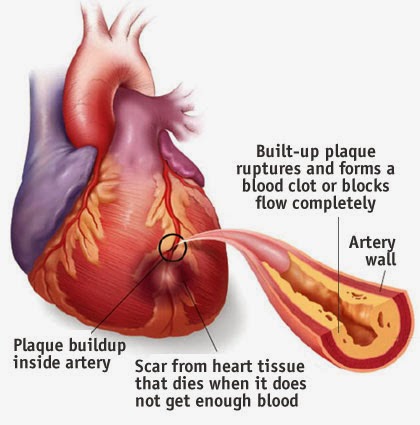
Also known as myocardial infarction or acute myocardial infarction (AMI), a heart attack occurs when blood stops flowing properly to the heart and the heart muscles become injured due to not receiving enough oxygen. There are many warning signs of a heart attack that can help prevent a major disaster.

Warning Signs
Some of the most common warning signs of a heart attack for both men and women are: 
  • Sudden Chest Pain: One may experience sudden chest pain or discomfort that mostly occurs in the center or left side of the chest. Such pain and discomfort usually lasts more than a few minutes or goes away and comes back. One may even feel like there is pressure, squeezing and fullness in the chest. Often people think that they have heartburn or indigestion. 
  • Discomfort in Upper Body Parts: One may have some kind of discomfort in the upper body parts. There may be pain in one or both arms, the back, shoulders, neck, jaw or upper part of the stomach. 
  • Shortness of Breath: One may even feel short of breath or have difficulty breathing due to a tight or constricted feeling in the chest. This may occur before or along with chest pain, while at rest or during physical activity. 
  • Dizziness: One may experience dizziness or light-headedness. 
  • Cold Sweat: One may break out in a cold sweat without any apparent reason. 
Other possible warning signs of a heart attack include feeling tired for no reason, nausea, vomiting, restlessness, intense anxiety or a fear of death, and a general feeling of being unwell.

Is it GERD or Heart Attack?
The warning signs can vary from person to person. In fact, the signs vary so much that many people do not even realize they are having symptoms of a heart attack.

Also, chest pain may not be the most obvious symptom in women as they are more likely to experience other symptoms such as unusual fatigue, abdominal discomfort like indigestion, nausea, pressure or pain in the neck, shoulder, or upper back, etc.

Risk Factors

Some people are at a higher risk of heart disease and heart attacks. Common risk factors include: 
  • Aging 
  • Obesity 
  • Smoking 
  • Diabetes 
  • High blood pressure 
  • Lack of physical activity 
  • Chronic kidney disease 
  • Excessive alcohol consumption 
  • Use of cocaine and amphetamines 
  • Abnormal blood levels of certain lipids 
Stress can be a factor too
Preventive Tips
There are many simple lifestyle and dietary changes that can help prevent or reduce the risk of a heart attack.

Here are some tips:

  • Exercise daily. 
  • Limit your alcohol intake. 
  • Reduce stress in your life. 
  • Eat a well-balanced, healthy diet.
  • Get quality sleep of 6 to 7 hours daily. 
  • If you are overweight, take steps to lose weight. 
  • Keep your blood cholesterol and blood pressure at safe levels. 
  • If you have diabetes, take all the necessary measures to keep it under control. 
  • Quit smoking. Even second-hand smoke can be dangerous for your heart. 
What to do if you are having symptoms

If you experience warning signs of a heart attack for more than 10 minutes, you must take necessary steps. Remember that if blood flow isn’t restored quickly, some sections of heart muscle begin to die, thus causing severe or long-lasting problems such as heart failure. Some immediate measures to take are: 
  • Seek emergency medical care, even if you are not sure it is a heart attack. If it is, this will give you the best chance of survival and recovery. 
  • Avoid driving at this time. Ask someone to drive you to the hospital or wait for the ambulance as it is the best and safest way to get to the hospital. 
  • Do not panic. Stay calm by taking deep, slow breaths. 
  • Open the doors and windows of the room to get some fresh air, which can help with breathing. 
  • If you are not allergic to aspirin, you can chew an aspirin. This can lessen the damage to your heart by inhibiting platelets. 
Read carefully, you may save somebody's life
Every minute matters when you or someone else is having a heart attack. Acting fast after noticing warning signs can limit damage to one’s heart and save a precious life.

For more health info and promotions, please follow us on Facebook- Wellness Lab
Download Wellness Lab mobile apps now for more promotions 
If you like this article, you can share this to your friends and families , together we share the health information and the taste of a healthy life!


现在就下载我们Wellness Lab 验血中心的手机软件以得到更多健康知识及优惠活动吧!Download Our Wellness Lab Mobile Apps to get more health info and promotion now!
Posted by Wellness Lab 健康验血中心 on Thursday, May 14, 2015

Sunday, 17 May 2015

Why Should Our Children Including Boys Get the HPV Vaccination

The human papillomavirus (HPV) is one of the most common sexually transmitted infections in the world, so prevalent that three-quarters of us will have at least one HPV infection in our lifetimes. The virus has serious consequences: it can lead to cervical cancer as well as mouth and throat cancers, and anal cancer, the rates of the latter have doubled here in the last 25 years.
Boys need Vaccination for HPV too
Here’s the good news: The vaccine for HPV is safe and highly effective in preventing the spread of the virus, particularly when it’s given to children and teens prior to them becoming sexually active.

Why Vaccination in Boys
So far, girls have been the ones bearing this public health responsibility because the vaccine is available free to girls in secondary schools, through publicly funded programs nationwide. But a report released this week by researchers at the Princess Margaret Cancer Centre in Toronto makes the case that we should be including boys in all publicly funded programs, too. HPV-related throat cancer affect three times as many men as women and its prevalence is anticipated to surpass that of cervical cancer within 10 years. Vaccinating boys could save our children in the future.
HPV can infect both males and females
If you already believe in the importance of vaccinations for other diseases, like measles or polio, then vaccinating your child against HPV is a no-brainer.

The HPV vaccine for girls has caused some pearl-clutching over concerns that it might lead to promiscuity — the logic being that protection from HPV will somehow drive girls to go wild. Two large-scale studies, however, have revealed no correlation at all between the HPV vaccine and sexual behaviour. In other words, the shots don’t make teens have more sex than they already do, but those shots will help protect teens from HPV when and if they do have it.
HPV can be giving from 9 to 26 years old
Which isn’t to say that the issue of sex as it relates to the vaccine is irrelevant. The HPV vaccine, which is typically given around puberty, offers an opportunity to actually talk to kids about the shot and why they are getting it.

Other Benefits
In other words, getting the shots also means teaching kids about the importance of looking after their own health and the health of their future partners. For boys, who are far less likely than girls to seek medical advice around sex and far less likely to be given sexual health information from doctors when they do see them, this is potentially life-saving. It’s also part of teaching young men about being compassionate and responsible partners.
To protect our new generations
Due to biology and social double standards, young women face most of the negative consequence of sex — from unwanted pregnancies, to assault, to slut shaming. Vaccinating boys against HPV gives them a way to step up. The shots don’t just protect them, they also increase overall immunity. And something that’s not talked about much in this debate, but is absolutely vital, is the fact that the vaccine is of particular importance for gay and bisexual young men, who will not receive the herd immunity benefits of girls’ vaccination programs.
Boys or Girls also can take the vaccination
Information about GARDASIL
GARDASIL is the only human papillomavirus (HPV) vaccine that helps protect against 4 types of HPV. In girls and young women ages 9 to 26, GARDASIL helps protect against 2 types of HPV that cause about 75% of cervical cancer cases, and 2 more types that cause about 90% of genital warts cases. In boys and young men ages 9 to 26, GARDASIL helps protect against approximately 90% of genital warts cases.
GARDASIL helps protect against 4 types of HPV
GARDASIL also helps protect girls and young women ages 9 to 26 against approximately 70% of vaginal cancer cases and up to 50% of vulvar cancer cases.
Do I still need to do these test after I get the vaccination?
GARDASIL may not fully protect everyone, nor will it protect against diseases caused by other HPV types or against diseases not caused by HPV. GARDASIL does not prevent all types of cervical cancer, so it’s important for women to continue routine cervical cancer screenings. GARDASIL does not treat cancer or genital warts. GARDASIL is given as 3 injections over 6 months.
Cervical Screening test are advisable to do every year
IMPORTANT SAFETY INFORMATION
Anyone who is allergic to the ingredients of GARDASIL, including those severely allergic to yeast, should not receive the vaccine. GARDASIL is not for women who are pregnant.
Some people allergic to the vaccination can develop severe side effects
The side effects include pain, swelling, itching, bruising, and redness at the injection site, headache, fever, nausea, dizziness, vomiting, and fainting. Fainting can happen after getting GARDASIL. Sometimes people who faint can fall and hurt themselves. For this reason, your child’s health care professional may ask to sit or lie down for 15 minutes after they get GARDASIL. Some people who faint might shake or become stiff. This may require evaluation or treatment by your child’s health care professional.

For more health info and promotions, please follow us on Facebook- Wellness Lab
Download Wellness Lab mobile apps now for more promotions 
If you like this article, you can share this to your friends and families , together we share the health information and the taste of a healthy life!

现在就下载我们Wellness Lab 验血中心的手机软件以得到更多健康知识及优惠活动吧!Download Our Wellness Lab Mobile Apps to get more health info and promotion now!
Posted by Wellness Lab 健康验血中心 on Thursday, May 14, 2015