Total Pageviews

Tuesday, 1 September 2015

Truth Behind the Fresh looking Fruits And Vegetables

The Truth behind Fresh Looking Fruits and Vegetables
Recently there are some Shocking video that echoed like on Facebook showing how fruits and vegetables are injected with chemicals to make it seem fresher. The chemical that is shown in the video, erythrosine B, is commonly used in desserts like some candy and gels to decorate cakes. It is also used for the colour of pistachio shells and is full of additives (E127).

Erythrosine
Back in 1990 the FDA launched a partial ban on the use of erythrosine, because, many studies showed that excessive consumption caused cancer in tested rats. In June 2008, the Centre for Science in the Public Interest (CSPI) has asked the FDA to issue a total ban on erythrosine in the United States.

On the other hand, a number of toxicological tests and a review of other published studies experts led to the conclusion that erythrosine is not genotoxic.

The video is attached below, see it for yourself:


Chemicals often used for ripening of fruits and for fresh look of vegetables. These chemicals are dangerous as they harm our health adversely and should be banned.

If you see brinjals that shine, apples that glow and chillies that cause temptation to touch them. You better think twice before you buy them.  They look so fresh that the customers buy them without knowing that there is poison behind the glow and shine of vegetables and fruits, we even pay MORE MONEY to buy them.

Chemicals to make your Tomato look nice
Some farmers themselves are using chemicals to make the vegetables look fresh. We all know that eating vegetables is good but it is causing health problems now. Farmers mainly will use this chemicals called Oxytocin on vegetables. This hormone was given to pregnant woman as a medicine earlier. But this has been banned now. Now it is consumed by everyone in the form of vegetables. If this hormone is consumed for a long duration, it is going to affect the health adversely. 
Wellness Lab
This Oxytocin hormone was given to pregnant women for controlling heavy bleeding during delivery, for sufficient production of milk and to improve the chances of getting pregnant one more time. It has been proved that if Oxytocin levels in the body increase, it will affect the nervous system and cause other nerve related problems.


Oxytocin is now available everywhere and easy to obtain in black market. This is injected into the vegetables to look fresh and into the fruits to ripe them quickly. This hormone is given to brinjals, pumpkin and cucumber. Copper Sulphate is used to bring artificial glow to fruits and vegetables. Calcium carbide is used to ripening fruits. This damages the lungs. It causes skin diseases. Ulcers may develop in mouth and throat. Such dangerous chemicals should be banned from using for the health of the people. 

For more health info and promotions, please follow us on Facebook- Wellness Lab
Download Wellness Lab Mobile App now for more promotions 
If you like this article, you can share this to your friends and families , together we share the health information and the taste of a healthy life!

Clogged Arteries? Drink This!

If you have got problems with clogged arteries, you can find the cure in your medicine cabinets, but also in your kitchen or pantries.


Recently, there was a study showing that pomegranate can help unclog your arteries and it also says that pomegranate extract may reverse and prevent the underlying pathologies of the cardiovascular system, that leads to heart attack and bypass surgeries. This was recently published in the Atherosclerosis journal.
Normal and Clogged Arteries
Another study, published in the Clinical Nutrition journal in 2004, showed the result of a 3 year clinical trial in an Israeli population. After one year, the plaque clogging their carotid arteries was reduced by up to 30%, while the control group’s blockages increased by 9% – effectively reversing the disease process by up to 39% within one year.

Pomegranate’s benefit in cardiovascular disease is extensive, as shown by the following experimentally confirmed properties:
  • Antioxidant
  • Anti-inflammatory
  • Blood Pressure Lowering Properties

If you are asking yourself how a simple fruit can be this beneficial to your heart, here’s the answer:
  1. The pomegranate is very rich in vitamin C, which deficiency is the leading cause of cardiovascular disease. 
  2. The pomegranate juice also has a high concentration of antioxidants and particularly polyphenols. Polyphenolics from pomegranate have been shown to have potent anti-inflammatory properties. This is a powerful antioxidant, good for lowering blood pressure and anti-infection. It is also known that inflammation have a huge role in heart disease, so be careful!

Drink a glass of pomegranate juice daily, it’s a good habit.


For more health info and promotions, please follow us on Facebook- Wellness Lab
Download Wellness Lab Mobile App now for more promotions 
If you like this article, you can share this to your friends and families , together we share the health information and the taste of a healthy life!

14 CANCER-CAUSING FOODS YOU SHOULD NEVER PUT IN YOUR MOUTH AGAIN

The American Institute for Cancer states on their site, “Exploration has demonstrated that most cancers can be avoided. Researchers now guessed that 60 percent to 70 percent of tumors are all preventable through as of now accessible data and straightforward changes in eating regimen and way of life.” With that empowering explanation, this article is about the changes you can make in your regular dietary way of life that will not just enhance your well-being, however help you to keep away from toxins that can expand your possibility of cancer.


1. BPA Lined Cans

This component found in hard plastics and sticky substance is utilized to coat metal cans. Laboratory studies in cells and animals have connected BPA to cancer, impotence, diabetes and obesity. Unless a canned thing is named BPA free, it is liable to contain bisphenol-A (BPA). BPA can likewise be found in various plastic items and dental composites.


2. Cured and Smoked Foods

Nitrates and nitrites go about as additives to keep food from rotting, they likewise add color to meats. At the point when cooked, nitrites and nitrates change into by-items called N-nitroso mixes, for example, nitrosamines and nitrosamides. N-nitroso mixes are connected with an expanded danger of cancer.


3. GMOs

Unfortunately GMOs (Genetically Modified Organisms) have penetrated our nourishment supply at a dangerous rate. GMO foods ought to be averting.


4. Farmed Fish

As indicated by Food and Water Watch, farmed fish contain more prominent levels of chemical pollutants than wild fish, including PCB’s a known cancer-causing agent. Because of overcrowding in fish ranches, fish are more likely to be influenced by sickness expanding the utilization of anti-infection utilization. They are likewise more vulnerable to sea lice which implies they are additionally treated with pesticides.


5. Grilled Meat

Polycyclic scented hydrocarbons, or PAHs, are delivered through specific sorts of burning, for example, the burning of coal or wood. An extra issue is made when fat from meat trickles onto a flame, making a sudden outbreak and smoke, this permit the PAHs to join themselves to the nourishment you are cooking expanding your danger for cancer-causing presentation.


6. Hydrogenated Oils

Hydrogenated oils, otherwise called trans-fats are a man-made item. These oils have a synthetic structure that has been adjusted to keep the item from going rancid with a specific end goal to expand their timeframe of life. The Harvard School of Public Health points that trans-fats advance immune system over-action and inflammation are connected to coronary illness, stroke and diabetes, among other endless infections. Notwithstanding being chemically removed from their source, chemicals are likewise used to mask the smell and change the essence of the oil.


7. Non-organic Fruit and Vegetables

Traditionally developed harvests are developed with pesticides, herbicides and GMO seeds. All of which are dangerous to your well-being.


8. Microwave Popcorn

Microwave popcorn are lined with Perfluoroalkyls, perfluorooctanoic acid (PFOA) and perfluorooctane sulfonate (PFOS) to keep oil from dousing through the packing. At the point when warmed, these chemicals filter into the popcorn; when ingested, they appear as blood contaminants. PFOA has been connected with tumors in animal organs (liver, pancreas, testicles and mammary organs in rats), and grows in prostate cancer in PFOA plant specialists.


9. Sugar

Cancer cells advance in sugar and any nourishment that changes over to sugar, for example, grains, pastas, carbs, bread and most organic products. So for the individuals who are facing up with cancer, the key is to eliminate the sugar. For the individuals who want to maintain wellbeing, having balanced eating routine that incorporates organic product is not as large of an issue.


10. Refined Sugars

Scientists have discovered connections between sugar and various issues, for example, undesirable levels of blood fats, low HDL levels, expanded danger for coronary illness, higher blood triglyceride levels, corpulence, immune suppression, joint inflammation and a large group of different ills. Tumor cells advance in sugar.


11. Soda- Sports Drinks

There is no dietary quality in drinking soda or sports drinks. These beverages contain high fructose corn syrup, sugar, colors, brominated vegetable oil (a fire resistant), aspartame and different chemicals.


12. Soy Protein Isolate

90-95 percent of U.S. – developed soybeans, used to make soy protein separate, are “Roundup prepared,” which implies they have been hereditarily changed to withstand herbicides. As indicated by the American Dietetic Association, soy protein isolates are known to consist of anti-nutrient that can create or delay the body’s capacity to process food and absorb the supplements into the circulatory system. Soy experiences a very industrial procedure of acid washing in aluminum tanks. Aluminum is profoundly poisonous to the nervous system and kidneys.


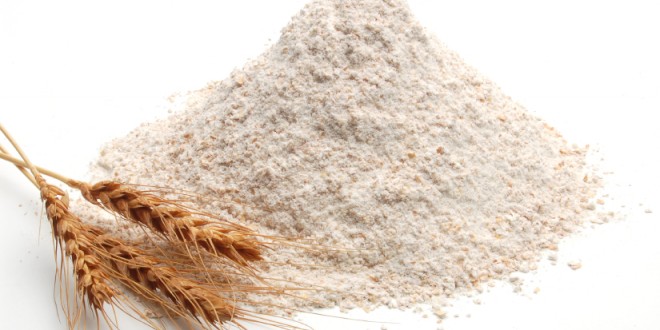
13. White Flour

Commercially developed grains start with seeds that are treated with fungicide. The plants are then splashed with pesticides. They are collected and put away in bins covered with bug sprays. Grains are then prepared in high temperature, speed rollers. Chlorine oxide as a chlorine gas shower is utilized as a whitener, and in addition as a maturing agent. What you wind up with is a starch without supplements and brimming with poisons.


14. Processed Foods

Cured meats have a tendency to be high in nitrites and nitrates, additives that can, in vast sums, conceivably expand your danger of stomach and different tumors. Prepared foods are by and large brimming with white flours, sugars, oils, colors, flavorings and other horrible ingredients.


For more health info and promotions, please follow us on Facebook- Wellness Lab
Download Wellness Lab Mobile App now for more promotions 
If you like this article, you can share this to your friends and families , together we share the health information and the taste of a healthy life!

Saturday, 29 August 2015

Leg Cramps: Causes and What to Do

There is nothing quite like having leg cramps. I can be sleeping soundly one minute and be wide awake and writhing in pain the next. It feels like someone has tied barbed wire around my calf muscle and then put a wrench on both ends. But what are some possible causes?


In my experience, muscle injury due to overuse can certainly cause leg cramps. But one should not just assume that's what it is.

The Mayo Clinic says that during periods of heavier exercise than normal you can become dehydrated, which can cause leg cramps as well. Simply replenishing your body's water supply can alleviate leg cramps that result from dehydration. But dehydration also can result from inadequate fluid intake even during normal daily activity.

Leg Cramps Causes

According to the Mayo Clinic , the depletion of calcium in your body is one of them. But Mayo also states that too little potassium and magnesium can play a role in leg cramps as well. And the depletion of these minerals in the body can be caused by several factors.


For example, the Mayo Clinic says people who take diuretics and blood pressure medications may find their levels of calcium, potassium and magnesium are still not up to par. These medications have a tendency to deplete mineral levels, in spite of efforts to eat foods rich in these minerals.

Leg cramps causes can come from much more serious issues as well. Harvard Medical School says about 30,000 people in America currently suffer with amyotrophic lateral sclerosis (otherwise known as ALS, or Lou Gehrig's disease). About 5,600 people are newly diagnosed every year. Muscle cramps in the legs can be one of the symptoms.

The National Institute of Neurological Disorders and Stroke states that muscle pain, stiffness and cramping in the legs and toes are also symptoms of Parkinson's disease.

Studies through the National Kidney and Urologic Diseases Information Clearinghouse (NKUDIC) show that leg cramps can be the beginning signs of serious kidney malfunction. When kidneys don't function properly, wastes aren't being filtered from the blood in a sufficient manner. The resulting condition is called uremia.


Sometimes leg cramps causes are simply unknown. But if leg cramps should become frequent and persistent, you should not hesitate to see your doctor. There may be a serious underlying cause.

Remedies for Leg Cramps

There are many remedies for alleviating leg cramps causes, but you should do your homework and choose wisely.

One of the most common remedies doctors used to treat leg cramps was quinine, a chemical with medical uses. However, according to Johns Hopkins Health Alerts, quinine can have some serious side effects. It should only be used for its primary purpose: to treat malaria.


Johns Hopkins says that doctors are exploring the use of muscle relaxers, numbing agents and calcium channel blockers as other treatments for leg cramps causes. Johns Hopkins also says diazepam and naftidrofuryl (an antiseizure medication) may be effective, but patients are encouraged to try B-complex vitamins.

For more health info and promotions, please follow us on Facebook- Wellness Lab
Download Wellness Lab Mobile App now for more promotions 
If you like this article, you can share this to your friends and families , together we share the health information and the taste of a healthy life!

Protecting Yourself from Tear Gas

Security forces are legally allowed to use tear gas for crowd control, but there are strict international guidelines around its use and the way it can be deployed against civilians for crowd control.


Journalists covering demonstrations should be aware of the effects of tear gas and how to respond when affected.

How does Tear Gas Work?

Typical RCAs (Riot Control Agents) such as tear gas are delivered by either a spray or a grenade canister fired from a baton gun. The canisters themselves can be hazardous as they usually generate a lot of heat and will cause nasty burns if handled. If they are fired at close range, they can cause serious damage to a person’s body and have resulted in death.

Police fired tear gas on protesters massing outside parliament in the Thai capital, injuring 65
When chemicals used in tear gas react with moisture they cause a burning sensation, meaning that the eyes, skin and lungs are extremely susceptible. Oil-based creams, sunscreens and make-up will also absorb tear gas, so avoid wearing these when covering protests where it might be used.

Tear gas attacks the lungs, so if you suffer from any respiratory diseases, including asthma, you should seriously consider the potentially dangerous effects this may have on your condition.

Tear gas can cause serious irritation to a person's respiratory system
Streaming and burning of eyelids and throat as well as excessive coughing are all reactions to tear gas. An excess of mucus coming from the nose, eyelids and throat is also common. People often report that they feel disorientated and dizzy just after breathing it in.

The effects usually wear off within an hour, although the feeling of burning and highly irritated skin may persist for hours.

Symptoms of Tear Gas Exposure

  • Stinging and burning of the eyes, nose, mouth, and skin
  • Excessive tearing
  • Blurred vision
  • Runny nose
  • Salivation (drooling)
  • Exposed tissue may develop a rash and a chemical burn
  • Coughing and difficulty breathing, including a feeling of choking
  • Disorientation and confusion, which may lead to panic
  • Intense anger
Eye redness and excessive tearing can happen
The disorientation and confusion may not be totally psychological. In some cases, the Solvent used to prepare the tear gas may contribute to the reaction and may be more toxic than the lachrymatory agent.

How to Protect Yourself

A gas mask (often called a respirator) is the best tool to protect yourself. They are not cheap, but they'll allow you to cover the story safely. They are subject to export licences in some countries, so ensure you have the correct paperwork to travel with them.

A gas mask consists of a rubber mask with a canister and filter fitted to the side. It is fitted to the size and shape of your face, and you should not assume that yours will fit someone else. Ensure you have a spare canister, as they do need changing after several hours (this depends on the make and model of the gas mask as well as how long it has been used).

Wear a mask to protect your self
If you already have a gas mask, make sure it is working properly and is correctly fitted. Any masks purchased online or in military surplus stores should be checked by an expert to ensure they work correctly.

The next best thing after a gas mask is an escape hood, which is cheaper and is not subject to the same export rules.

Wash your eye if you get hit by a tear gas
You can also use a builder's respirator that covers your nose and mouth – but make sure that you use appropriate filters. Failing that, a dust mask for DIY and building and airtight goggles will provide some degree of protection.

What to Do if You Get Tear Gassed

  • If you have a gas mask, or a mask and goggles, put them on. You may then be able to continue working in the gas. Be aware that you will still need to wash yourself and all clothes as the gas will remain on you, your clothes and your equipment.
  • If you have no protection, cover your mouth and nose with a handkerchief or cloth or use the inside of your coat to protect your airway (the outside of your jacket is likely to be contaminated).
  • Stand in the fresh air and allow the breeze to carry away the CS gas.
  • Keeping your arms outstretched which will help CS gas to come off your clothing.
  • Try to get to high ground – most RCAs are heavier than air, so the highest concentrations tend to sit nearer to the ground.
  • Remember that the gas will impregnate clothing for many months, so any clothing that may have been contaminated should be immediately washed several times or discarded.
  • Any exposed skin should be washed with soap and water. Shower first in cold water, then warm water. Do not bathe.
  • Don't rub your eyes or face, or this will reactivate any crystals.
Stand in the fresh air and allow the breeze to carry away the CS gas
For more health info and promotions, please follow us on Facebook- Wellness Lab
Download Wellness Lab Mobile App now for more promotions 
If you like this article, you can share this to your friends and families , together we share the health information and the taste of a healthy life!

Friday, 28 August 2015

Why Do We Get Sweaty During Sleep

If you have ever awakened drenched in sweat, you might wonder: Why do we get sweaty in sleep? 


If it occurs repeatedly, it may be associated with other medical conditions and may require further evaluation. It also may mean different things in children and even in women going through menopause. Discover some of the reasons why we get sweaty in sleep.

Body Temperature and the Sleep Environment

First, the most common reason you might get sweaty at night is because of an elevation in body temperature due to a warm sleep environment.


There are also normal variations of the body temperature throughout sleep. Most people will experience a dip in the core body temperature towards morning, often around 4 AM. Moreover, during certain phases of sleep, the autonomic nervous system (which controls body temperature, heart rate, blood pressure, and other factors) may become revved up and lead to some sweating.If your bedroom has the thermostat cranked, if you are wearing heavy fleece pajamas, or if you are buried under blankets and comforters, it’s no surprise if you become too warm and start to sweat. This is clearly normal.

Sweaty can cause one to be sleepless

Sleep Disorders Cause Night Sweats

It should be no great surprise that disorders that affect sleep could also lead to night sweats as they occur at the same time. The most common is sleep apnea. If you struggle to breathe during sleep, this will lead to increased effort and work of breathing. Imagine how much you sweat when you are running a race and breathing hard! Each episode of apnea can also provoke a burst of cortisol, the body’s natural stress hormone, to prompt normal breathing.


In children, and toddlers especially, sleep-disordered breathing may manifest as sweaty and restless sleep. The child may wake red-faced and drenched in sweat with the covers messed up. This should prompt further evaluation, especially if snoring and other signs of sleep apnea are present.


Menopause is Near

Women may have an increased incidence of hot flushes (or flashes) during sleep as they transition through early menopause. Interestingly, the risk of obstructive sleep apnea increases 10-fold at this time due to the loss of the hormones estrogen and progesterone. Therefore, night sweats in older women may occur with menopause as a result of sleep apnea.

Menopause can induce hot flushes during sleep

Alcoholism

Some people notice they get sweatier in sleep after drinking alcohol. Alcohol is a muscle relaxant that may affect the upper airway and worsen snoring and sleep apnea. Therefore, the consumption of alcohol may be linked to night sweats through sleep-disordered breathing like apnea.

Alcohol may cause sleep apnea

Nightmares, Stress and Anxiety

Finally, nightmares and generalized anxiety may also provoke panic attacks and sweatiness during sleep. If you have recurrent bad dreams, especially in the setting of post-traumatic stress disorder (PTSD), treatment may be helpful. Children may also become sweaty while experiencing night terrors.


Other Medical Causes of Sweating in Sleep

There are multiple other causes of night sweats that should be considered. Isolated incidences are less worrisome but chronic sweating at night may require additional evaluation. If you have other symptoms or signs, such as fevers and weight loss, it may be important to speak with your doctor about the need for further testing. Some of the other potential causes of night sweats include:
  • Infections (Including tuberculosis)
  • Medications (Antidepressants, Hormone replacement, Insulin)
  • Hyperthyroidism
  • Diabetes (Hypoglycemia from medications)
  • Autonomic disorders (Affecting the brain or nervous system)
  • Other causes
If you are concerned about recurrent night sweats, talk to your doctor about some of the potential causes of sweaty sleep and whether you need further evaluation with a sleep study or other testing.


For more health info and promotions, please follow us on Facebook- Wellness Lab
Download Wellness Lab Mobile App now for more promotions 
If you like this article, you can share this to your friends and families , together we share the health information and the taste of a healthy life!