Total Pageviews

Saturday, 2 May 2015

Ways To Stay Active & Avoid Dying At Your Desk

Despite countless studies showing how sitting too long chained to your desk is slowly killing you, many people just can’t seem to find the motivation to get moving more often. Reasons include not having enough time or not knowing where to start. To help you out, here are few tips compiled from all over the internet that might just work for you:

Standing Desks
Did you know you can burn up to 40% more calories by standing rather than sitting? Additionally, standing can also make profound changes to your endocrine system and blood lipid profile.

These reasons are why standing workstations are a much healthier option than simply typing away on your office chair. The key here is to ensure the desk is at the appropriate height for you. It’s also important to wear comfortable shoes and stand on a soft mat for added support.
But be advised that prolonged standing can lead to the development of musculoskeletal disorders, especially in the legs, knees and lower back, not to mention increased risk of varicose veins. Most experts recommend a 50:50 sit-stand ration.

Frequent Office Laps
While you don’t necessarily have to sprint, regular walking breaks can help by working leg muscles and improve blood circulation. 
Treadmill Desk
A combination of the first two tips, the treadmill desk allows the user to walk at a slow pace while working

Desk Exercises
If standing or walking seems a bit out of your league, start out by occasionally just stretching out while seated at your desk.


Yoga Ball Chair
Balancing on a yoga ball might seem odd at the office, but it can help engage the core by working abdominal and back muscles, while also improving on your balance.

Go Mobile
Think of this as being productive on the go. Portable communication devices like smartphones allow you to work from multiple locations around the office.

Active Meetings
Instead of a gym buddy, get one of your colleagues to join your office regimen. One way to easily add a bit of activity to an otherwise sedentary is conduct “active meetings” which involve moving around while discussing. While it might take some time to adjust, it’s still better than falling asleep in the conference room.

For more health info and promotions, please follow us on Facebook- Wellness Lab
Download Wellness Lab mobile apps now for more promotions 
If you like this article, you can share this to your friends and families , together we share the health information and the taste of a healthy life!

10 Foods You Should Eat Every Day

The majority of foods that the many people are eating are dense with ingredients that are helping to create poor health or foods that are processed in such a way that is helping your health take a downward spiral if consistently eaten. These foods should really come with a warning label!
Foods you should eat every day
Foods that are packed with nutrients like vitamins, minerals, antioxidants, phytochemicals, enzymes arepowerful in terms of creating optimal health and it is these types of foods that will take you to living a vibrant quality life full of energy and lack of symptoms, illness and disease – optimal health.

Here are 10 Foods You Should Eat Every Day:

Green Tea
There are a vast amount of studies showing green tea’s health and weight lost benefits. What is responsible for green tea’s ability to prevent disease and more? The catechins contained in the leaves of the tea plant. Catechins are a group of antioxidants that are powerful in their protective ability against illness and disease. Green tea is also beneficial as an adjunct to any weight loss program. The catechin EGCG contained in it ramps up metabolism as well.

Almonds
Almonds are high in the heart-healthy oleic acid that is responsible for many health benefits including a better memory. Almonds are high in fiber and protein and because they are so crunchy, just one ounce will go a long way compared to other nuts.

Blueberries
Blueberries are one of the most antioxidant rich foods in the world. Antioxidants are necessary for life and are well known to reverse and prevent heart disease and even cancer. The blue color of the berry comes from its polyphenols which provide most of its antioxidant properties. Blueberries are also high in vitamin C and fiber.

Capsicums
Capsicums come in many different shades such as green, purple, orange and red. Each of them, because of their color, adds a distinct different array of phytonutrients that will help to create optimal health. Capsicums are dense with vitamin C and vitamin E which protective against poor health. The regular intake of antioxidant nutrients such as you find with these 10 foods, can help reduce the likelihood of chronic inflammation from the typical processed modern diet.

Yogurt
Greek yogurt has less natural sugar Lactose and more protein than regular yogurt. This means that ounce for ounce, you are getting a nutritional punch of calcium (a single cup has almost 25% of your daily requirement) and that translates to more lost body fat and better health. Yogurt also contains beneficial bacteria that calm down inflamed digestive tracts as well as boosting your immune system. Your digestive tract is where 70% of your immune system resides.

Avocado
Yes, there is a rampant fat phobia going on right now thanks to the myth of no or low-fat was healthy for you. Healthy fat is critical not just to weight loss, but to optimal health and that includes your mood as well. The type of fat in avocados – monounsaturated fat improve your cholesterol and decrease triglycerides (fats) in your blood..this means a reduced risk of heart disease and stroke. Avocados also put the brakes on cravings and hunger.

Quinoa
Quinoa is one of the only plant foods that is a complete protein! This is great information for everyone and especially vegetarians. It has more fiber and twice as much protein as brown rice; quinoa even cooks just like rice. It is chock-full of healthy nutrients and when you add the high fiber and high protein along with an added healthy fat, you have a food that will balance blood sugar and that means less weight and better health for you.

Apples
Compared to other commonly consumed fruits in the US, apples ranked second for highest antioxidant activity. Much of apple’s antioxidant awesomeness is in the peel! So do not peel the apple – buy organic. Even though apples contain a modest amount of fiber 2-3 grams, half of this is pectin, which has a powerful impact on your health. Apples help create better health especially in the areas of heart health, diabetes, cancer, stroke and brain health.

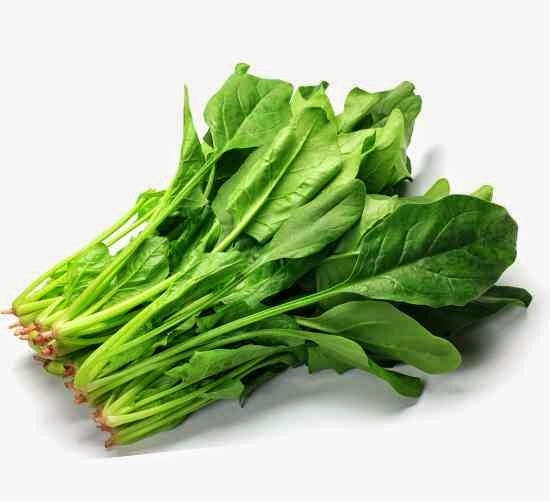
Spinach
Like other dark greens, spinach is an excellent source of beta-carotene, a powerful disease-fighting antioxidant that’s been shown to protect against and fight heart disease and cancer. This dark, leafy green, contains several important phytochemicals, including lutein, which helps prevent age-related macular degeneration. Spinach also contains Lipoic Acid, which helps antioxidant vitamins C and E regenerate. Because of its role in energy production, lipoic acid is highly effective for regulating blood sugar levels. Spinach also contains a good amount of the highly important omega 3 fats – yes! Spinach is one veggie important to optimal health.

Eggs
Eggs are not only low in calories, they are a powerhouse of protein, vital nutrients, and healthy fat. Research has shown that people who replace carbohydrates with eggs for breakfast lost 65% more weight and egg eaters benefit greatly with more added nutrients to their diet. The high protein content in eggs not only balances blood sugar keeping you from being tempted by junk food, it helps to build muscle as well.

For more health info and promotions, please follow us on Facebook- Wellness Lab
Download Wellness Lab mobile apps now for more promotions 
If you like this article, you can share this to your friends and families , together we share the health information and the taste of a healthy life!

The Health Benefits of Chia Seeds

The ancient Aztecs and Mayans prized chia seeds for their medicinal properties. And after flying under the radar for a few centuries, they've become one of the most popular health trends in recent years and are adored by models, Hollywood elite and top chefs alike.

But are they worthy of their superfood status?
Chia Seed
Chia seeds: the health benefits 

Nutritional lowdown:
They may not be much to look at, but chia seeds pack a nutritional punch.
One tablespoon of chia seeds contains around 65 calories, 5.5 grams of fiber, 2 grams of protein, 88 milligrams of calcium, 2.5 grams of omega-3 fatty acids and just 0.5 grams of saturated fat. 

Omega-3 fatty acids 
There’s evidence to suggest that omega-3 fatty acids reduce inflammation in the body, and they may help reduce the symptoms of rheumatoid arthritis and osteoarthritis.

Because your body can’t produce these fatty acids on its own, you have to get them entirely from your diet. But chia seeds contain alpha-linolenic acid (ALA) rather than DHA and EPA, which have the most scientific backing for being beneficial to arthritis sufferers. Humans only partially convert ALA to DHA and EPA.
Good substitute of fish oil for Vegetarians

The conclusion? Oily fish is still a better source of omega-3 fatty acids DHA and EPA, but chia seeds could be a good substitute for vegetarians. 

A source of fiber 
Fiber can help you feel fuller for longer, keep you regular and may even prevent bowel cancer in the long term. You should be aiming to get at least 18 grams of fiber every day, and including chia seeds in your diet could help you reach that target.
Good source of fiber
Like whole grains, chia seeds are particularly rich in insoluble fiber – just the kind you want if you’re constipated or suffering from constipation-induced hemorrhoids. Insoluble fiber helps keep our digestive system healthy and our bowel movements regular by adding bulk. 


Protein 
Chia seeds are about 14% protein by weight (very high compared with most plants) – which is great if you don’t eat meat and struggle to include enough protein in your diet.
Source of protein
You should be aiming to eat about 8 grams of protein every day for every 20 pounds you weigh.


How to eat more chia seeds (safely)


Soak before you eat
Chia seeds are like sponges: they can absorb up to 27 times their dry weight in water. When they absorb a liquid, they swell up and become gel-like in texture.
Soak before you eat
So if you eat them dry, they could possibly dehydrate you. If you can, soak your chia seeds in liquid before eating them.


Introducing more fiber

You should always up your fiber intake slowly to give your digestive system time to adjust. Too much fiber too soon can result in symptoms like cramps, bloating, diarrhea or constipation. Also make sure you’re drinking enough water to accommodate all that extra fiber.

And if you suffer from irritable bowel syndrome (IBS), be cautious about how much fiber you’re adding to your diet. If you’re new to chia seeds, start small – just a teaspoon at first – and monitor how your body handles it.
The Nutritional fact of Chia seed
For more health info and promotions, please follow us on Facebook- Wellness Lab
Download Wellness Lab mobile apps now for more promotions 
If you like this article, you can share this to your friends and families , together we share the health information and the taste of a healthy life!

Friday, 1 May 2015

Is Traditional Chinese Medicine (TCM) an Effective Pain Remedy

Traditional Chinese medicine (TCM) is a broad term that covers a range of complementary therapies that have been practiced in China for thousands of years.

TCM can refer to therapies like massage, herbal medicines and acupuncture, and many people who are in pain have tried TCM, especially in Asian countries like China, Singapore and Indonesia. But it’s also gaining fans outside of Asia, like in Australia and in the United Kingdom, as people become more open-minded about complementary therapies.
Traditional Chinese Medicine (TCM)
While the main TCM philosophy of restoring the right balance of yin and yang in the body isn’t backed by Western science, is there any scientific evidence that says TCM can help people in pain? And what are the risks you should be aware of if you’re considering TCM?

Powerful plants
Researchers from the University of California looked into TCM, and the chemical components of the common herbs used by practitioners. They found that a compound called dehydrocorybulbine (found in the roots of the Corydalis yanhusuoplant) acts much like morphine does, and could help relieve different types of pain, such as acute, inflammatory, neuropathic and chronic pain.
Powerful herbs with its benefits
Still, they didn’t go as far as encouraging people to take Corydalis. The plant still has to go through rigorous toxicity testing before it can be deemed safe for the public.

Acupuncture for pain relief?
As we’ve explored in our article about the potential benefits of acupuncture , there is a lot of evidence to suggest that acupuncture can provide relief for people suffering from conditions like arthritis, lower back pain and other types of chronic pain.
Acupuncture
Lots of people have experienced benefits after trying acupuncture, and it’s a complementary therapy – as long as you consult your doctor and book your session with a licensed practitioner.

Making changes to your diet
TCM therapists often take a holistic approach to a patient’s health, which is great if you want to improve your diet and learn more about your body and how your lifestyle is affecting your pain.
TCM practitioner, a registered dietitian?
But unless your TCM practitioner is also a registered dietitian, be cautious about cutting out whole food groups or upping your intake of another type of food. If you think you might be intolerant to something, ask your doctor if he or she can suggest a test to rule things out.

Massage away your aches
Massage – when done correctly – can be a great way of reducing tension in sore joints, improving your circulation and helping you to relax (all of which could help relieve your pain).

TCM: Understand the risks 

Know what you’re buying 
If you’re considering trying a herbal remedy, it’s really important that you buy the herbs from a reputable supplier. There are lots of websites selling unsafe versions of these herbs that aren’t being regulated appropriately, and they could be dangerous.
Know what you are buying
Some could contain traces of steroids, which can cause unwelcome side effects. Researchers at Murdoch University in Australia studying samples of TCM found that some contained aristolochic acid, which has been linked to cancer of the upper urinary tract. 

Potential side effects 
Some medical practitioners claim that the side effects of TCM herbal remedies aren’t being reported and studied enough, and that people should approach TCM herbal preparations cautiously until the medical community has been able to properly study the broad range of herbs involved.
Some techniques can be harmful
Trying TCM for the first time
Because it’s getting so popular, TCM is starting to be scrutinized more by the medical community, and TCM therapists increasingly have to follow many of the same regulations as mainstream healthcare professionals. But there are still a lot of people calling themselves ‘TCM specialists’ who don’t have much formal training in either TCM or Western medicine.
Some technique are just unique
If you’d like to try TCM, speak to your doctor about how it could interact with your medication first. He or she may also be able to tell you about how to find a reputable TCM practitioner and check in with you as you start your sessions to check on your progress.

For more health info and promotions, please follow us on Facebook- Wellness Lab
Download Wellness Lab mobile apps now for more promotions 
If you like this article, you can share this to your friends and families , together we share the health information and the taste of a healthy life!

Eating Fat Will Not Make You Fat

Here is what will “make you fat”: Eating more calories than your body uses, eating empty calories, not working out, being a couch potato and eating too many carbohydrates and sugars without the appropriate balance of fats and proteins.
Fat consumption? 

How much Fat to Consume?
It is ideal to include a small amount of “healthy” fats in all meals throughout the day. The key is the amount of fat and the type of fat. As far as the amount – it should be very small. 1 tbsp or less of the right types of fats is considered appropriate. Take a look at a tbsp and you will realize actually how small that actually is.
Too much fat cause obesity

What types fats should you include?

Healthy fats to include in your diet: 
  • Nuts – unsalted and raw walnuts, almonds, brazil nuts, macadamia nuts, pecans and cashews. Nut butters are another great choice (almond, peanut, walnut, and cashew). 
  • Add oils (grapeseed, coconut, olive, flax oil, sesame oil) to your cooked veggies, salads and proteins for an extra boost of flavor! Seeds and avocado are two other great additions. 
Coconut oil is healthy but coconut milk is not
Fats that I would suggest avoiding are mayonnaise, butters, yellow cheeses, creams, whole milk, corn and canola oils and partially hydrogenated oils.


Benefits of adding healthy fats to your diet:

There are so many benefits to adding healthy fats to a diet. The best one is that it tastes good. Adding some healthy fats will make your veggies and proteins taste scrumptious! That may be reason alone to stop you from attacking that cheeseburger and fries! Additional benefits of healthy fats are that they will satisfy hunger and cravings, keep you full longer, and they can help raise HDL (good cholesterol). Healthy fats may actually help you manage your weight loss efforts by providing a better sense of satiety than other lower fat foods.
When you do not eat enough fat in your diet and you opt for a low fat high carbohydrate diet, you will most likely feel hungrier and eat more which will lead to weight gain. Eating fat will not make you fat. Eating more than your body uses and lack of exercise will.

For more health info and promotions, please follow us on Facebook- Wellness Lab
Download Wellness Lab mobile apps now for more promotions 
If you like this article, you can share this to your friends and families , together we share the health information and the taste of a healthy life!

4 Foods That Whiten Your Teeth Naturally

Looking to make those pearly whites shine a little brighter? We can tell you to sidestep black coffee, red wine, and sugary treats until we’re blue in the face, but avoiding stain-causing foods is only half the battle. Along with brushing, flossing, and using mouthwash twice daily, choosing foods that actually promote whitening and oral health should be part of your routine, too. And while there’s no official consensus on how much of the foods below you need to eat to achieve results, the evidence makes it clear that they’re definitely worth adding permanently to your grocery list.
Looking for teeth whitening food
Broccoli
Despite its unpopularity with the under-10 set, this cruciferous veggie packs some serious benefits for your teeth, according to researchers from the Bauru School of Dentistry in Brazil. Their study, published in theEuropean Journal of Dentistry, found that the iron present in broccoli may form an acid-resistant coating on the surface of your choppers. That coating reduces contact between acidic foods and drinks—like soda—and the enamel of your teeth. And stick to the raw stuff—the crunch of uncooked broccoli may have a polishing effect as well.
Broccoli is rich in iron minerals
Cheese
A study published in the journal General Dentistry found that cheese consumption—cheddar, in particular—increased saliva production and formed a protective barrier on tooth enamel. 

Researchers from the Academy of General Dentistry believe alteration of pH levels in the mouth are at work here—lower pH levels put people at risk for tooth erosion and cavities, while higher pH levels signify healthier teeth. After chowing on some cheddar, study participants showed a rapid increase of pH levels. But not all dairy is created equal: Milk and sugar-free yogurt showed no pH level changes in participants.
Yup, for my teeth
Raisins
Sticky and sugary raisins seem like they’d be bad for your teeth, right? Wrong. The dried grapes may actually improve your oral health, according to researchers at the University of Illinois at Chicago’s College of Dentistry. 
Golden raisins
The study, presented at an annual meeting of the American Society for Microbiology, found that oleanolic acid—a compound found in Thompson seedless raisins—may prevent the growth of two types of oral bacteria: Streptococcus mutans, which causes cavities, and Porphyromonas gingivalis, which causes periodontal disease. In addition to its cavity-fighting M.O., oleanic acid also protects teeth from plaque build-up.
Ha ha, no wonder my teeth is so white
Pineapple
This sweet, juicy tropical fruit can do a number on your mouth if you eat too much of it, but the same enzyme in pineapple that makes your tongue feel like sandpaper could also whiten your teeth. 
Give it to me! This pineapple is mine
A study published in theInternational Journal of Dental Hygiene found that bromelain—an enzyme derived from the fruit, stem, and leaves of pineapple—may break down stains on the surface of teeth without harmful, abrasive effects to the enamel. In fact, teeth-whitening toothpastes with natural enymes (like bromelain and papain) have better whitening effects than more abrasive toothpaste formulas that include whitening ingredients like perlite or calcium carbonate.

Whiter teeth
For more health info and promotions, please follow us on Facebook- Wellness Lab
Download Wellness Lab mobile apps now for more promotions 
Like my teeth?
If you like this article, you can share this to your friends and families , together we share the health information and the taste of a healthy life!