Total Pageviews

Saturday, 14 November 2015

Simple Teaching: Uric Acid


What is Uric Acid?

Before you start taking actions to lower uric acid levels naturally, it's important to understand what uric acid is, where it comes from, why high levels can lead to gout, and why you need to reduce high uric acid levels in the blood.

So, first things first: What is uric acid?

  • Uric acid is a by-product of the chemical breakdown of compounds called purines that exist in our bodies' cells and in our food. Purines are very important to us because they provide energy and protein, among other important components. During those processes, uric acid is produced in the bloodstream.
  • Uric acid is good for us because it acts as an antioxidant and helps look after the internal linings of our blood vessels. It's our kidneys' job to process the uric acid produced and excrete waste out of our bodies through our urine, or also a little through our stools.
Foods that contain high levels of purine

What Causes High Uric Acid in Blood?

While the kidneys usually maintain uric acid at healthy levels, there are times when they are unable to do this. In turn, what results is that excess uric acid is retained in, and circulates in, the blood.

Two of the main causes for high uric acid levels in blood are:
  • The kidneys aren't working to their full potential. They are unable to process and expel sufficient uric acid quickly enough, or
  • There is too much uric acid being produced by the metabolizing purines for healthy kidneys to process.
Reduced Kidney Function
Whatever is the case, the result is high uric acid in the blood.


What is the Result of High Uric Acid Levels in the Body?

  • Hyperuricemia: High uric acid levels in the blood is a condition known as hyperuricemia. Over time, this can lead to the production of uric acid crystals. Technically speaking, these are crystals of monosodium urate, which can settle in the joints, tendons and surrounding tissue.
  • The body reacts defensively. The crystals are needle-like in shape and are looked upon as foreign objects by the body's natural defenses. In turn, the body's natural anti-inflammatory processes working against these crystals are what actually cause gout symptoms such as redness, swelling, heat, inflammation, stiffness, and very great pain.
Uric acid crystals observed under microscope
These are the symptoms of a gout attack. In other words, high uric acid can lead to gout, which is why it's important to decrease uric acid levels in the body.


For more health info and promotions, please follow us on Facebook- Wellness Lab
Download Wellness Lab Mobile App now for more promotions 
If you like this article, you can share this to your friends and families , together we share the health information and the taste of a healthy life!

Oils and Heart Health

Does heart-healthy eating mean no oils, ever? You might be surprised to learn the answer. Oils contain fats, and your body needs fat for energy and to support the growth of cells. Not all fats are created equal, though, and they affect your body in different ways. It’s important to understand which oils have “good” fats and which have “bad” fats so you can make healthy choices in your diet.


The “Good” Fats in Oil

When eaten in moderation as part of an overall healthy diet, some fats can help lower your risk of heart disease and stroke. These “good” fats are monounsaturated and polyunsaturated fats that are liquid, plant-based oils, including: 
  • Canola oil 
  • Flax Seed oil
  • Olive oil 
  • Safflower oil 
  • Sesame oil 
  • Sunflower seed oil

Avocados, peanut butter, and some nuts and seeds also have “good” fats.


The “Bad” Fats in Oil

Some oils can raise your cholesterol level, which can raise your risk for heart disease. These “bad” fats are saturated and trans fats, and can be found in foods like: 
  • Fatty cuts of meat, poultry skin, and butter 
  • Whole or 2% milk, cream, and cheese 
  • Coconut, palm kernel, and palm oils 
  • Sweets and desserts 
  • Processed and packaged foods 
"Bad" Fats always are tempting

Making Healthy Choices

A heart-healthy diet includes plenty of fruit, vegetables, whole grains, low-fat dairy products, fish, and lean proteins. When choosing your oils, be sure to stick with the “good” fats in moderation, and to limit the “bad” fats as much as you can.

Your choice to eat healthy
It’s always a good idea to talk to your doctor about what is best for you based on your family history and risk factors. Your doctor might suggest talking with a registered dietitian, an expert on diet and nutrition, to help you figure out how to make healthy choices and still enjoy your favorite foods and flavors.


For more health info and promotions, please follow us on Facebook- Wellness Lab
Download Wellness Lab Mobile App now for more promotions 
If you like this article, you can share this to your friends and families , together we share the health information and the taste of a healthy life!

Friday, 13 November 2015

Simple Teaching: What Are Palpitations?

Palpitations are feelings that your heart is skipping a beat, fluttering, or beating too hard or too fast. You may have these feelings in your chest, throat, or neck. They can occur during activity or even when you're sitting still or lying down.


Overview

Many things can trigger palpitations, including: 
  • Strong emotions 
  • Vigorous physical activity 
  • Medicines such as diet pills and decongestants 
  • Caffeine, alcohol, nicotine, and illegal drugs 
  • Certain medical conditions, such as thyroid disease or anemia
Strong emotions such as anger can trigger palpitations
These factors can make the heart beat faster or stronger than usual, or they can cause premature (extra) heartbeats. In these situations, the heart is still working normally. Thus, these palpitations usually are harmless.


Some palpitations are symptoms of arrhythmias. Arrhythmias are problems with the rate or rhythm of the heartbeat. Some arrhythmias are signs of heart conditions, such as heart attack, heart failure, heart valve disease, or heart muscle disease. However, less than half of the people who have palpitations have arrhythmias.

Electrocardiogram can be use to trace an arrhythmias
You can take steps to reduce or prevent palpitations. Try to avoid things that trigger them (such as stress and stimulants) and treat related medical conditions.


Outlook

Palpitations are very common. They usually aren't serious or harmful, but they can be bothersome. If you have them, your doctor can decide whether you need treatment or ongoing care.


For more health info and promotions, please follow us on Facebook- Wellness Lab
Download Wellness Lab Mobile App now for more promotions 
If you like this article, you can share this to your friends and families , together we share the health information and the taste of a healthy life!

Wednesday, 11 November 2015

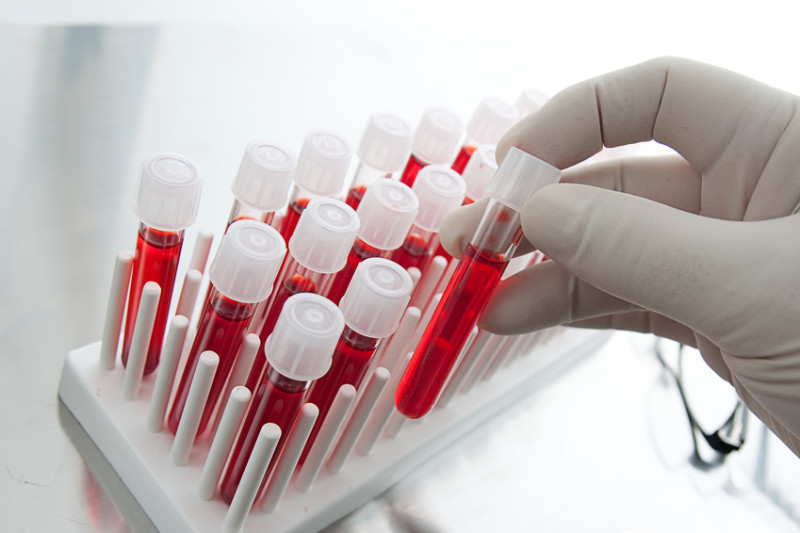
What Are Blood Tests?

Blood tests help doctors check for certain diseases and conditions. They also help check the function of your organs and show how well treatments are working.


Specifically, blood tests can help doctors: 
  • Evaluate how well organs—such as the kidneys, liver, thyroid, and heart—are working 
  • Diagnose diseases and conditions such as cancer, HIV/AIDS, diabetes, anemia, and coronary heart disease 
  • Find out whether you have risk factors for heart disease 
  • Check whether medicines you're taking are working 
  • Assess how well your blood is clotting 

Overview

  1. Blood tests are very common. When you have routine checkups, your doctor may recommend blood tests to see how your body is working.
  2. Many blood tests don't require any special preparations. For some, you may need to fast (not eat any food) for 8 to 12 hours before the test. Your doctor will let you know how to prepare for blood tests.
  3. During a blood test, a small sample of blood is taken from your body. It's usually drawn from a vein in your arm using a needle. A finger prick also might be used.
  4. The procedure usually is quick and easy, although it may cause some short-term discomfort. Most people don't have serious reactions to having blood drawn.
  5. Laboratory (lab) workers draw the blood and analyze it. They use either whole blood to count blood cells, or they separate the blood cells from the fluid that contains them. This fluid is called plasma or serum.
  6. The fluid is used to measure different substances in the blood. The results can help detect health problems in early stages, when treatments or lifestyle changes may work best.
  7. Doctors can't diagnose many diseases and medical problems with blood tests alone. Your doctor may consider other factors to confirm a diagnosis. These factors can include your signs and symptoms, your medical history, your vital signs (blood pressure, breathing, pulse, and temperature), and results from other tests and procedures.

Outlook

Blood tests have few risks. Most complications are minor and go away shortly after the tests are done.


For more health info and promotions, please follow us on Facebook- Wellness Lab
Download Wellness Lab Mobile App now for more promotions 
If you like this article, you can share this to your friends and families , together we share the health information and the taste of a healthy life!

Tuesday, 10 November 2015

10 Remedies for Your Artery Cleansing


We know how eating the right food can promote good health, help you lose weight, and treat many health conditions! But did you know that eating the right food can also help you cleanse your arteries? Well, it’s true! There are many foods that you can eat to reduce deposits and clear clogged arteries. Read this post and find out about the ten best foods for cleansing arteries.


1. Avocados:

Also called the ‘complete food’, avocados have many health benefits. New York dietician, Megan Madden says, “Instead of using a whopping dollop of mayonnaise on your sandwich, try using thin slices of avocado.”Avocado helps decrease LDL (bad) cholesterol levels and thus helps cleanse the arteries of cholesterol deposits.


2. Whole Grains:

Whole grains contain a lot of soluble fiber. This fiber helps decrease cholesterol in your blood by purging it from your arteries. Your body gets its fill of cholesterol by drawing from your blood cholesterol. You can create tasty recipes using whole grains as well.


3. Nuts: 
Nuts contain omega-3 fatty acids, fiber, and vitamin E. These make it one of the best foods for promoting heart health. The omega-3s help purge cholesterol from your body and cleanse your arteries. 


4. Olive Oil:

Olive oil is one of the best foods to cleanse your arteries. Olive oil is high in mono- and polyunsaturated fats, which drive cholesterol levels down. A study conducted concluded that olive oil helps reduce LDL cholesterol.


5. Fatty Fish:

Fatty fish are rich in cholesterol-lowering omega-3s and consuming fatty fish regularly can help reduce the risk of heart disease and lower LDL cholesterol levels. Fatty fish also help in boosting HDL cholesterol levels.


6. Asparagus:

Asparagus has many health benefits and promoting heart health is one of them. Renowned organic chemist, Shane Ellison mentions, “Asparagus works within the 100,000 miles of veins and arteries to release pressure, thereby allowing the body to accommodate for inflammation that has accumulated over the years. It also helps ward off deadly clots.”


7. Pomegranate:

Another food that helps promote heart health and cleanses arteries, pomegranate contains important phytochemicals and antioxidants that help cleanse your arteries. Studies conclude that pomegranate juice helps stimulate nitric oxide production in the body, which promotes blood flow and cleanses arteries.


8. Broccoli:

One of the most important green vegetables, broccoli is loaded with important nutrients. It also contains Vitamin K, which is essential for bone formation and prevents calcium from damaging your arteries. Broccoli is crammed with fiber, which also helps reduce cholesterol levels, thus helping keep your arteries clean.


9. Turmeric:

This is the most popular spice in India, and there wouldn't be no Indian who wouldn't be knowing about it! Turmeric contains curcumin, a potent antioxidant, and anti-inflammatory agent that helps reduce inflammation in the arteries and purges fatty deposits from your arteries, helping prevent conditions like sclerosis and hypertension. Turmeric is used in many recipes, and even pop star Rihanna uses it in her spicy chicken soup.


10. Persimmons:

You know that apples keep doctors away, but did you know that a persimmon a day helps keep arteries clean? Persimmons contain polyphenols that help reduce cholesterol and help cleanse the arteries. Thus, persimmons are one of the best foods to cleanse your arteries.


So, include these foods in your diet and begin cleansing your arteries today. Of course, if your diet is right, there would be no necessity of visiting a doctor, right? Tell us about any recipes or newer ways to prepare these foods. Share your thoughts below.


For more health info and promotions, please follow us on Facebook- Wellness Lab
Download Wellness Lab Mobile App now for more promotions 
If you like this article, you can share this to your friends and families , together we share the health information and the taste of a healthy life!

Sunday, 8 November 2015

What Is an Arrhythmia?


An arrhythmia is a problem with the rate or rhythm of the heartbeat. During an arrhythmia, the heart can beat too fast, too slow, or with an irregular rhythm.
  • A heartbeat that is too fast is called tachycardia. 
  • A heartbeat that is too slow is called bradycardia.
Most arrhythmias are harmless, but some can be serious or even life threatening. During an arrhythmia, the heart may not be able to pump enough blood to the body. Lack of blood flow can damage the brain, heart, and other organs.


Sign and Symptoms

Many arrhythmias cause no signs or symptoms. When signs or symptoms are present, the most common ones are:
  • Palpitations (feelings that your heart is skipping a beat, fluttering, or beating too hard or fast)
  • A slow heartbeat
  • An irregular heartbeat
  • Feeling pauses between heartbeats

More serious signs and symptoms include:
  • Anxiety
  • Weakness, dizziness, and light-headedness
  • Fainting or nearly fainting
  • Sweating
  • Shortness of breath
  • Chest pain

The Outlook

There are many types of arrhythmia. Most arrhythmias are harmless, but some are not. The outlook for a person who has an arrhythmia depends on the type and severity of the arrhythmia.

Even serious arrhythmias often can be successfully treated. Most people who have arrhythmias are able to live normal, healthy lives.


Learn how to take your pulse. Discuss with your doctor what pulse rate is normal for you. Keep a record of changes in your pulse rate and share this information with your doctor.


For more health info and promotions, please follow us on Facebook- Wellness Lab
Download Wellness Lab Mobile App now for more promotions 
If you like this article, you can share this to your friends and families , together we share the health information and the taste of a healthy life!

Saturday, 7 November 2015

Why Is Cholesterol Important?

Why Is Cholesterol Important?

Your blood cholesterol level has a lot to do with your chances of getting heart disease. High blood cholesterol is one of the major risk factors for heart disease. A risk factor is a condition that increases your chance of getting a disease. In fact, the higher your blood cholesterol level, the greater your risk for developing heart disease or having a heart attack. 


How Does Cholesterol Cause Heart Disease?

When there is too much cholesterol (a fat-like substance) in your blood, it builds up in the walls of your arteries. Over time, this buildup causes "hardening of the arteries" so that arteries become narrowed and blood flow to the heart is slowed down or blocked. The blood carries oxygen to the heart, and if enough blood and oxygen cannot reach your heart, you may suffer chest pain. If the blood supply to a portion of the heart is completely cut off by a blockage, the result is a heart attack.


High blood cholesterol itself does not cause symptoms, so many people are unaware that their cholesterol level is too high. It is important to find out what your cholesterol numbers are because lowering cholesterol levels that are too high lessens the risk for developing heart disease and reduces the chance of a heart attack or dying of heart disease, even if you already have it. Cholesterol lowering is important for everyone--younger, middle age, and older adults; women and men; and people with or without heart disease.


What Do Your Cholesterol Numbers Mean?


Everyone age 20 and older should have their cholesterol measured at least once every 5 years. It is best to have a blood test called a "lipoprotein profile" to find out your cholesterol numbers. This blood test is done after a 9- to 12-hour fast and gives information about your: 
  • Total cholesterol 
  • LDL (bad) cholesterol--the main source of cholesterol buildup and blockage in the arteries 
  • HDL (good) cholesterol--helps keep cholesterol from building up in the arteries 
  • Triglycerides--another form of fat in your blood 

If it is not possible to get a lipoprotein profile done, knowing your total cholesterol and HDL cholesterol can give you a general idea about your cholesterol levels. If your total cholesterol is 200 mg/dL* or more or if your HDL is less than 40 mg/dL, you will need to have a lipoprotein profile done.


For more health info and promotions, please follow us on Facebook- Wellness Lab
Download Wellness Lab Mobile App now for more promotions 
If you like this article, you can share this to your friends and families , together we share the health information and the taste of a healthy life!