Total Pageviews

Wednesday, 22 April 2015

Ways to Reduce Asthma Attacks

Asthma is a condition in which there is an obstruction in the flow of air in the lungs. This makes breathing difficult and causes coughing, wheezing and shortness of breath. This chronic disease affects 20 million Americans.
Obstruction in the flow of air in the lungs
While asthma is a minor nuisance for some people, it can be a major problem for many. As there is no cure for asthma, the goal of treatment is to control the disease by identifying and limiting exposure to triggers, which can set off an array of symptoms that last from minutes to weeks.

Some common triggers include air pollution, allergies, cold air, respiratory diseases, heartburn, gastroesophageal reflux disease (GERD), smoke and strong fragrances.
Asthma attack
In addition, there are several things that you can do on your own to prevent or reduce asthma attacks and relieve symptoms. Plus, make sure people around you know about your condition. This will enable them to help you in case of a sudden asthma attack. At the same time, always keep some quick-relief asthma medicines readily available.

Here are the top 10 ways to reduce asthma attacks.

Avoid Humidity
To reduce asthma attacks, you must pay attention to air quality. Extremely hot, humid weather and poor air quality can trigger symptoms for many people. Also, avoid highly polluted areas that can worsen your condition. 
  • Use an air conditioner to lower indoor humidity and reduce airborne pollen from trees, grasses and weeds that finds its way indoors.
  • Keep your windows closed during pollen season. 
  • If you live in a damp climate, consult your doctor about using a dehumidifier. 
  • Avoid living near a highway or a busy intersection where there is greater risk of air pollution. 
  • If possible, move to a location where you can enjoy fresh, dry air. 
  • Avoid exposure to varying temperatures within a short time. 
Reduce humidity
Limit Dust Exposure
Due to its allergy-inducing properties, dust is one of the most common asthma triggers as it contains tiny particles of pollen, mold, fibers from clothing, and detergents. A similar trigger is dust mites, which are tiny bugs that live in sheets, blankets, pillows, mattresses, soft furniture, carpets and stuffed toys. Hence, do your best to keep your house free from dust and dust mites. 
  • Clean and replace air-conditioner filters on a regular basis. 
  • Remove carpets and heavy drapes from the bedroom. 
  • Wash all bedding and stuffed animals frequently in hot water. 
  • Use allergen-barrier coverings for pillows and mattresses. 
  • Vacuum your house twice a week. 
  • Dust all surfaces with a damp cloth often. 
  • Wear a mask and gloves when cleaning or vacuuming to limit dust and chemical exposure. 
  • Avoid dust-collecting blinds or long drapes for your windows. You can use window shades and washable curtains. 
  • Keep clutter under control. 
  • Store washed clothes in drawers and closets. 
  • Keep bedrooms well ventilated. 
Clean the dust

Prevent Mold and Mildew

Mold and mildew are allergens that can trigger asthma symptoms. Mold grows on damp areas like shower curtains, bath items, tubs, basins and tiles. Be aware of damp places in your kitchen, bathroom, basement and around the yard. Do your best to reduce exposure by preventing mold and cleaning it as soon as it appears. 
  • Run a dehumidifier or use an exhaust fan when taking a shower. 
  • Regularly clean damp areas in the bathroom, kitchen and around the house to prevent mold spores from developing. 
  • At the first sign of mold, clean it up with mild soap and hot water. 
  • If not washable, throw away moldy items. 
  • Get rid of moldy leaves or damp firewood in the yard. 
  • Fix leaky plumbing or other sources of water as soon as possible. 
  • Remove household plants. Plant them in your garden or backyard instead. To prevent mold, make sure not to overwater plants and keep them in a sunny place. 
Mold can be found everywhere
Say No to Smoke
Smoke of any kind can irritate your lungs, especially when you have asthma. In fact, smoke is a well-known asthma trigger that you must avoid to prevent attacks. Asthma symptoms like coughing and wheezing become worse when exposed to smoke. 
  • If you smoke cigarettes, quit immediately. 
  • Avoid secondhand smoke. 
  • Do not allow others to smoke in your home or car. 
  • Avoid public places that permit smoking. 
  • Stay at a smoke-free hotel when traveling. 
  • Make sure your kitchen has a proper exhaust fan or chimney to remove cooking smoke. 
  • Minimize exposure to other sources of smoke like incense, candles, fires and fireworks. 
Smoking make your asthma worst
Stay Away from Pets
Pets can trigger an asthma episode in people who are allergic to them. Pet dander, particles of hair, fur, feathers, and saliva are common asthma triggers.

If parting ways with a beloved family pet is not possible, be sure that you: 
  • Keep the pet out of your bedroom completely. 
  • Do not allow your pet on any furniture. 
  • Have your pet regularly bathed or groomed. 
  • Do not allow children who suffer from asthma to play with dogs, cats and other animals. 
Pets can trigger an asthma

Kill Cockroaches

Cockroaches can also trigger allergies and asthma attacks. They produce substances that cause allergic reactions in people who have asthma, and coughing and wheezing in babies and small children. It is important to eliminate cockroaches from your home. 
  • Do not leave food, water and garbage uncovered. 
  • Do not leave pet food out overnight. 
  • Wash your dishes and utensils soon after using them. 
  • Do not leave bits of food and spilled drinks on the counter tops. Clean the counters and tables with soapy water. 
  • Use roach traps or gels to get rid of cockroaches. 
  • Every 2 to 3 days, vacuum, sweep and mop any areas where you see cockroaches. 
  • Inspect your backyard and garage to see where these bugs are hiding. 
  • Seal up any openings where cockroaches can enter, such as sinks, leaky pipes and so on. 
  • Reduce humidity in your home as it promotes the growth of cockroaches and other pests. 
  • If necessary, call a pest control expert to get rid of cockroaches. 
Is time to call on Pest Control
Avoid Stress
When people are under stress, their breathing often becomes rapid and shallow. This causes constriction of the airways and can lead to an asthma attack. In addition, stress can weaken your immune system, making you more vulnerable to asthma attacks and infections

To keep yourself free from stress:
  • Practice deep breathing exercises to calm yourself during a stressful situation. 
  • Get regular exercise or use meditation and yoga to ease stress. You can also take up a hobby to help calm your mind. 
  • Adopt a regular sleep schedule as lack of sleep can contribute to stress. 
  • Avoid stressors by improving time management and organizing things properly. 
  • Ask for help when you cannot manage stress on your own. 
  • Make time to have fun with your family and friends. 
Relax
Exercise Wisely
Many people suffer from exercise-induced asthma, which is asthma triggered by vigorous or prolonged exercise or physical exertion. However, you must not treat exercise as a trigger to be avoided. Physical activity is important, even for people with asthma. In fact, regular exercise can strengthen your heart and lungs, which helps reduce asthma symptoms. 
  • Try yoga, gentle biking, moderate-to-brisk walking, weight-training workouts, and sports like golf, baseball, swimming, gymnastics, tennis and other racquet sports that involve short and intermittent periods of exertion. 
  • Reduce the risk for exercise-induced asthma attacks by working out inside on very cold or very warm days. If you are exercising outside, wear a mask or scarf over your mouth. 
  • While exercising, make sure you breathe through your nose instead of your mouth. 
  • Before doing any exercise, start with a warm-up period. 
  • Consult your doctor before taking part in any physical activity or sport. 
Exercise regularly
Avoid Getting Sick
Respiratory infections like colds, flu or sinus infections are among the most common causes of asthma symptoms leading to an asthma flare-up. Heartburn and GERD can also damage the airways that lead to the lungs and worsen asthma symptoms.

If illness is one of your asthma triggers, consult a doctor immediately. Proper and timely treatment will help lessen the duration and intensity of your illness. At the same time, take good care of yourself during the cold and flu season.
Getting annual flu shot may help
You can also get an annual flu shot. The Centers for Disease Control and Prevention (CDC) recommends that people age 6 months and older who suffer from asthma get an annual flu shot to help protect against the flu virus.

Dietary Changes
A good diet is important for everyone, including people with asthma. A diet high in vitamins C and E, beta-carotene, flavonoids, magnesium, selenium and omega-3 fatty acids is good for people suffering from asthma. 
  • Eat plenty of fresh and organic fruits and vegetables. 
  • Eat foods with omega-3 fatty acids like salmon, tuna, flax-seed and more. 
  • Include herbs and spices like rosemary, sage, oregano, ginger and turmeric in your cooking. 
  • Avoid eating processed and packaged foods with artificial additives and preservatives. 
  • Avoid milk and dairy products if you are allergic to milk proteins or have lactose intolerance. 
  • Avoid heavy and fatty meals as they increase airway inflammation and inhibit relief provided by the common asthma medications.
For more health info and promotions, please follow us on Facebook- Wellness Lab
Download Wellness Lab mobile apps now for more promotions
If you like this article, you can share this to your friends and families , together we share the health information and the taste of a healthy life!

Do You Spent Too Much Time In Front Of Computers?

WHEN it comes to technology, some of us are guilty of making mistakes like posting too many photos no one cares about on Facebook, while others many not have installed that all important virus protection.

But there’s one mistake that we’re all probably making, and you could be doing it right now.
Experts say that we aren't taking enough time away from the computer screen, and this can cause some big health issues.

The Internet can be a valuable resource for education and fun, but how much is too much? Why can't people stop? Here are some tips to help you quit staring at the computer screen and get out and do something productive offline as well as online.


Do not feel bad about not reading the digital avalanche of email, blog posts, or web content. 

You'll never be "caught up" and that's okay. Get what you can get in a reasonable amount of time and don't worry about the rest. The important information will rise to the top. Don't feel guilty about marking everything as read or using the delete button. It can be your best friend.


Don't read everything word for word. 

Scanning and pattern recognition is a really important skill to have when you need to look at a lot of information. Don't feel that you have to read every blog post of the blogs you're tracking. It helps if you identify what you need to know before drinking from the fire hydrant.


Set time limits. Determine the appropriate amount of online time. 

Set a frequency for answering blog comments via email, doing outreach, reading blogs, writing posts and other tasks. Set the time of day to check in and a time limit - this is called time boxing. Stick to it; ignore your blog, email, or Twitter until those magic times. The idea is that you don't have to check your email or respond to Twitter or blog posts in real time. Remember to sort and prioritize what is urgent and what is not. 
Some parental control software includes time control functions that empowers to set the amount of time that a person may spend accessing the Internet or playing games or other computer activities. 


Know when to turn the computer off and take a walk. 
It is important to carve out patches of time to allow for understanding and processing the information you have consumed. This might mean disconnecting electronically on purpose. A scary thought to some, but yes, power down your computer and gadgets and go for a walk. If you feel you have lost your concentration and productivity, it may be due to the stress that you give yourself by staring at a monitor for too long.
Its time to turn off the computer and go for a walk
For more health info and promotions, please follow us on Facebook- Wellness Lab
Download Wellness Lab mobile apps now for more promotions
If you like this article, you can share this to your friends and families , together we share the health information and the taste of a healthy life!

Tuesday, 21 April 2015

Benefits of Bitter Gourd

Gohyah, or sour gourd, is a health-promoting vegetable. Agree? If herbal teas get your appetite flowing, afterwards gohyah tea is certain to perk we up. The sour libation can pacify your life in several ways.

Bitter Gourd:
Bitter gourd, or sour melon, is common in Asia and is good famous for a implausible health advantages. It has a vast volume of plant phytonutrients that capacitate us to strengthen ourselves opposite dangerous diseases like cancer.
Bitter Gourd
Amongst vegetables, it is a many bitter. The ambience competence make a few wary, yet a unfeeling is well-liked in millions of households for a nutritive offerings. You get antioxidants, fiber, folate, iron, vitamin C, Vitamin A, B-complex, flavonoids, manganese, potassium, zinc, and magnesium.

Herbal Tea:
Now that we know a strength of a sour gourd, it is tough to brawl a gains from a tea infusion. Gohyah tea is prepared from a vegetable’s dusty slices. It has medicinal applications with a Chinese frequently supplementing their diets with gohyah tea. The herbal tea is used to naturally forestall ongoing conditions like cancer and diabetes. It can also sentinel off infections.

Juice or Tea

Following are a health advantages of celebration gohyah tea.


Controls High Blood Sugar:
Gohyah tea is famous to control high blood sugarine and assuage insulin resistance, thereby preventing diabetes. Regular expenditure of this tea has even reduced abnormally high sugarine levels in form II diabetics. The unfeeling contains a plant insulin named polypeptide-P, that lowers blood sugar. It also contains a member named charantin that enhances glucose uptake. Gohyah tea, for this reason, is an choice diagnosis for diabetes.

Nevertheless, people with hypoglycemia or low blood sugarine are warned opposite holding this herbal supplement. Any decisions to change medical diagnosis should always engage your doctor. Besides, yet it does control blood sugarine levels, gohyah tea is not a stand-alone diagnosis choice for diabetes.

Prevents Obesity:
The herbal addition prevents a storage of fat cells in a physique. Gohyah tea accomplishes this by violation down triglycerides and greasy acids so that they are metabolized rather than stored. This well prevents obesity, and as a reward also reduces high blood pressure.
Keep you slim
Slows Aging:
The tea has vitamin C, that acts a healthy boost to your skin. The vitamin helps enliven a tissues by flushing out toxins and building new cells. Since vitamin C aids in wound healing, gohyah tea can scold imperfections. The vitamin is also an antioxidant, flushing out giveaway radicals that repairs your physique and make we age faster.
Slows Aging
Fights Cancer:
Goyah tea is intensely profitable to strengthen yourself opposite a famous and different health risks. Its store of phytonutrients brush by a body, neutralizing damaging oxidative repairs to particular cells. Potential cancer-causing cells are rendered normal with these absolute antioxidants.
Treats Infections:
Bitter gourd is lauded opposite a creation for a medicinal properties. Similarly, gohyah tea can also provide teenager infections overdue to a antimicrobial qualities. Heal fever, cough and putrescent wounds naturally with this herbal alternative.

These are some of a obvious advantages that gohyah tea offers. It is easy to introduce it into your daily life. Here’s how.
Gohyah Tea Preparation: 
  1. Draw skinny slices from sour gourd 
  2. Leave a skin intact 
  3. You can also use leaves from a plant 
  4. Take a slices or leaves and supplement to hot water 
  5. Boil for 5 to 10 mins until a slices/leaves steep 
  6. Remove a slices/leaves and offer a broth 
  7. You can supplement sweeteners to facade a sour taste 
Gohyah tea is also accessible as tea bags. Repeat identical procession with tea bags to ready a tea.

For more health info and promotions, please follow us on Facebook- Wellness Lab
Download Wellness Lab mobile apps now for more promotions
If you like this article, you can share this to your friends and families , together we share the health information and the taste of a healthy life!

10 Home Remedies to Reduce Your Triglycerides

Triglycerides are a type of fat (lipid) found in the blood. The body converts calories that it doesn't need to use right away into triglycerides. They are stored in the fat cells, which are circulated in the blood to provide energy for your muscles to work. Triglycerides are different from cholesterol, which the body needs for hormone synthesis and cellular structure.

An optimum amount of triglycerides is necessary for the proper functioning of cells, but too much is unhealthy.
An increase in triglycerides can be due to obesity, a sedentary lifestyle, poorly controlled diabetes, an underactive thyroid (hypothyroidism), kidney disease, a high-calorie diet, cigarette smoking, excessive drinking, and genetic factors. Certain medicines, such as steroids and birth control pills, may also raise triglycerides.

A high triglyceride level is also a symptom of metabolic syndrome, which is a combination of conditions including high blood pressure, high blood sugar, high fat deposits around the waist, a low high-density lipoprotein (HDL or ‘good’ cholesterol) level and high triglycerides.

High triglycerides usually do not cause symptoms. However, it can pose a risk for heart disease, high blood pressure, strokes and cholesterol problems.

A simple blood test can determine whether your triglycerides fall into a healthy range.
  • Normal Triglyceride Level – Less than 150 mg/dL (milligrams per deciliter)
  • Borderline High Triglyceride Level – 150 to 199 mg/dL
  • High Triglyceride Level– 200 to 499 mg/dL
  • Very High Triglyceride Level– 500 mg/dL and above
If you have high triglycerides, you can reduce your level with lifestyle changes, a proper diet and some simple home remedies. At the same time, you must continue to take any medicines as prescribed by your doctor.

Here are the top 10 home remedies to reduce your triglycerides.

1. Garlic
Garlic is one of the best remedies to reduce triglycerides. A 2006 study published in the Journal of Nutrition found that including garlic in your diet helps lower triglycerides, blood glucose and cholesterol levels. Raw garlic has a more profound effect than boiled garlic in controlling these parameters because fresh garlic has lipid-lowering activity. 


Eat 2 to 3 raw garlic cloves on an empty stomach daily for a few months. You can also, include fresh garlic in your salad dressings. 

Alternatively, take garlic supplements after consulting your doctor. 

2. Apple Cider Vinegar
Apple cider vinegar also helps reduce triglycerides as well as cholesterol levels. A 2008 study published in the Pakistan Journal of Biological Sciences found that apple cider vinegar helped improve serum lipid profile in normal as well as diabetic rats by decreasing triglycerides, low-density lipoproteins (LDL or ‘bad’ cholesterol) and raising HDL levels. 
  1. Mix 1 teaspoon of raw, unfiltered apple cider vinegar in a glass of water. 
  2. Mix in a little raw honey. 
  3. Drink this solution twice daily for at least a couple of months. 
You can also mix apple cider vinegar with fresh orange, apple, grape or other fruit juices.

3. Coriander Seeds
Coriander seeds are a popular traditional treatment for high triglycerides. According to a 2008 study published in the Journal of Environmental Biology, there was a significant decrease in triglyceride and cholesterol levels in animals fed coriander seeds. This is due to the significant hypolipidemic action of coriander seeds on the metabolism of lipids. 
  1. Add 1 to 2 teaspoons of coriander seed powder to a cup of water. 
  2. Boil the water, strain it and allow it to cool. 
Drink this solution once or twice daily for a few months. 

4. Cayenne Pepper
Cayenne pepper, known for adding spicy flavoring to your foods, also helps lower triglycerides naturally. It contains an alkaloid compound, capsaicin, which helps reduce triglycerides and LDL cholesterol in obese individuals. 
  1. Add ½ to 1 teaspoon of cayenne pepper to a cup of hot water. Drink it twice daily for a few weeks. 
  2. Another option is to take cayenne supplements. Consult your doctor for the proper dosage and its suitability in your case. 
5. Cinnamon
Cinnamon may help lower your triglycerides. According to a 2003 study published in the journal Diabetes Care, cinnamon improves glucose and lipids in people with Type 2 diabetes. Intake of 1 to 6 grams of cinnamon daily helped people with Type 2 diabetes lower their triglycerides as well as LDL cholesterol. 
  1. Add ¼ teaspoon of ground cinnamon to your morning oatmeal. You can also sprinkle ground cinnamon in smoothies, soups and salads. 
  2. Cinnamon is also available in capsule form at most drugstores and health food stores. Take the supplement after consulting your doctor. 
6. Red Yeast Rice
In Chinese medicine, red yeast rice is a popular treatment to reduce triglycerides. It contains a group of naturally occurring statins and has a marked modulating effect on lipids and C-reactive protein (CRP) concentrations. This in turn helps lower triglycerides as well as high cholesterol levels.
Use red yeast rice as directed on the package or as directed by your doctor.

Note: Avoid red yeast rice during pregnancy, breastfeeding or when suffering from liver or kidney problems. Be cautious when taking red yeast rice products as some of them may contain lovastatin and other chemicals that may cause side effects.

7. Reishi Mushroom
Reishi mushroom is beneficial to the cardiovascular system due to its high content of heart-saving substances like sterols, ganoderic acids, coumarin, mannitol and polysaccharides. The ganoderic acids in reishi mushroom help lower triglyceride levels, remove excess cholesterol from the blood, lower blood pressure, reduce platelet stickiness and even help correct arrhythmias.
For lowering triglycerides, you can take reishi mushroom extract. The appropriate dose depends on factors like age and current health conditions, so consult your doctor first.

8. Increase Fiber Intake
Fiber helps regulate how the food you eat is absorbed and passed through your body, and high-fiber foods can significantly lower both your triglycerides and LDL cholesterol.

Both soluble and insoluble fiber help lower triglycerides. Soluble fiber binds the excess triglycerides like a gel, so that it can get out of the body easily. It also reduces and slows down the absorption of fats and sugars. Insoluble fiber helps control hunger pangs and increases the absorption of nutrients from your food. This helps with weight loss. 
  • Eat foods high in soluble fiber like oatmeal, bananas, peas and strawberries. 
  • Eat foods high in insoluble fiber like whole grains, whole-wheat products, beans, greens and many vegetables. 
If you are just starting to eat fiber-rich foods, increase your fiber intake gradually to avoid gas discomfort. At the same time, increase your water intake to help process the fiber and avoid constipation.

9. Omega-3 Fatty Acids
Studies suggests that omega-3 fatty acids help reduce triglycerides by reducing very low-density lipoprotein (VLDL) production by the liver, accelerating chylomicron and VLDL elimination from the blood and converting fatty acids to energy (oxidation). 

Dietary sources of omega-3 fats are salmon, mackerel, cod, walnuts, legumes, green leafy vegetables, flaxseed oil and soybean oil. 
You can also take a supplement. Consult a doctor for the correct dosage and how long to take the supplement. 

10. Exercise Regularly
Physical activity may play a key role in reducing your triglyceride level, depending on your level and individual risk factors. Being active will help you lose weight, which helps decrease your triglycerides. Moreover, it helps lower cholesterol and blood pressure.

A 2013 study published by the Journal of Applied Physiology states that acute high-intensity endurance exercise is more effective than moderate-intensity exercise for attenuation of postprandial triglyceride elevation. Hence, include high-intensity endurance exercises in your daily routine to reduce high triglycerides.
Consult your doctor about the type of exercises that you can do given your particular condition.

Additional Tips 
  • If you are overweight, losing 5 to 10 percent of your body weight will help reduce your triglyceride level. 
  • Cut your sugar intake by avoiding sodas and other sugary beverages. 
  • Limit fructose by avoiding corn syrup and dried fruits, such as raisins and dates. 
  • Follow a moderately low-fat diet. 
  • Replace your regular dairy products with low-fat products. 
  • Cut back on saturated fats found in red meat, poultry, butter, cheese, milk, and coconut and palm oils. 
  • Use healthy polyunsaturated fats like safflower, corn and soybean oil. 
  • Use healthy monounsaturated fats like canola and olive oil. 
  • Stop drinking alcoholic beverages. 
  • Avoid refined and processed foods that can cause a sudden rise in your body’s insulin, which can lead to a spike in triglycerides.
For more health info and promotions, please follow us on Facebook- Wellness Lab
Download Wellness Lab mobile apps now for more promotions
If you like this article, you can share this to your friends and families , together we share the health information and the taste of a healthy life!

Monday, 20 April 2015

Natural Food to Boost Your Immune System

Antibiotics are medicine used to treat and prevent bacterial infections. When used properly, they can either kill or inhibit the growth of bacteria that cause problems like ear infections, stomach problems and several skin issues.

Different types of antibiotics work against different types of bacteria and some type of parasites. Doctors prescribe an antibiotic depending upon the specific germ (bacterium or parasite) that is causing the infection. However, antibiotics do not fight infections caused by viruses, such as colds, the flu, most coughs, and sore throats. They also do not work against fungal infections.
Antibody Enhancer
Antibiotics have become one of the most over-prescribed medicines today. This is dangerous because overuse and misuse of antibiotics leads to antibiotic resistance. In addition, excess use of antibiotics can kill off normal defense bacteria that live in the bowel and cause side effects like diarrhea, mild stomach upset and nausea.

Hippocrates said, “Let your food be your medicine, and your medicine be your food.” This is so true in terms of overuse of synthetic antibiotics, when there are many natural antibiotics provided by nature.

Natural Antibiotics as Antibody Enhancer
Many foods act as natural antibiotics and are effective in treating many health issues. Unlike the over-the-counter antibiotics, most natural antibiotics also fight viral and fungal infections. Plus, they do not kill off the ‘good’ bacteria required by the body.

These natural antibiotics alone may not be sufficient for treating serious infections, though. For serious infections like typhoid, tuberculosis and others, it is best to use these natural antibiotics as an adjunct treatment along with the antibiotics prescribed by your doctor. Check them out.


Garlic
Garlic is a natural antibiotic as well as anti-fungal and antiviral agent. A 1999 study published in the journal Microbes and Infection found that the sulfur compounds known as allicin in garlic act as natural antibiotics. In addition, garlic contains a host of vitamins, nutrients and minerals that are beneficial to overall wellness. It also helps kill intestinal parasites.
  • Eat 2 to 3 raw garlic cloves on an empty stomach daily. Also, include garlic in your cooking.
  • Taking garlic supplements also help protect against various pathogens and diseases. Consult a doctor before taking a supplement.
Honey

Herbalists consider honey as one of the best natural antibiotics. It also contains antimicrobial, anti-inflammatory and antiseptic properties. A 2014 study presented at a meeting of the American Chemical Society found that honey has the ability to fight infection on multiple levels, making it more difficult for bacteria to develop resistance to it.
Its unique combination of hydrogen peroxide, acidity, osmotic effect, high sugar concentration and polyphenols help kill bacterial cells. To get the antibiotic benefit of honey, always use raw, organic honey. Manuka honey is also a good option and has been found to be beneficial in the topical treatment of wounds containing S. pyogenes.
  • To strengthen your immune system, mix equal amounts of honey and cinnamon and eat it once daily.
  • Adding honey to tea, smoothies and juices is another excellent way to enjoy its health benefits.
Oil of Oregano

According to a 2001 study by Georgetown University Medical Center, oregano oil may be an effective treatment against drug-resistant bacteria. Carvacrol, a chemical component in oregano oil, helps reduce infection as effectively as traditional antibiotics.
It also contains antioxidant, antiseptic, antiviral, antifungal, anti-inflammatory, antiparasitic and pain-relieving properties.
  • For treating foot or nail infections, add a few teaspoons of oregano oil to a tub filled with warm water. Soak your feet in it for a few minutes daily for a week.
  • For sinus and other upper respiratory infections, put a few drops of the oil of oregano in a pot of boiling water and inhale the steam. Do this once daily until you get rid of the infection.

Olive Leaf Extract

The natural antibiotic effect of olive leaf extract can treat different types of bacterial infection. A 2003 study published in the journal Mycoses also noted that olive leaves have good antimicrobial potential against bacteria and fungi.
Olive leaf extract also has anti-inflammatory properties. Additionally, it exhibits free-radical scavenging abilities.
  • You can make olive leaf extract for external use at home. Put a handful of finely chopped fresh olive leaves into a glass jar with a lid. Pour vodka over the leaves until they are completely covered. Close the lid and keep the jar in a dark place for 4 to 5 weeks. Using a cheesecloth, strain the liquid into another glass jar and your homemade olive leaf extract is ready to use.
  • Another option is to take olive leaf extract in supplement form. 250 to 500 mg capsules twice daily is the standard dosage. However, consult a doctor before taking the supplement.
Turmeric

In Ayurvedic and Chinese medicine, turmeric’s antibiotic properties are used to help destroy bacteria that cause diseases and promote the body’s natural defenses. In addition, it helps prevent bacterial infections in wounds.
According to a 2009 study published in Antimicrobial Agents and Chemotherapy, the antimicrobial activity of curcumin against helicobacter pylori showed positive results. Curcumin is the active ingredient in turmeric.
  • Mix 1 tablespoon of turmeric powder and 5 to 6 tablespoons of honey. Store it in an airtight jar. Have ½ teaspoon of this mixture twice daily.
  • You can also take turmeric supplements of 400 to 600 mg, twice daily. However, consult your doctor first.
Echinacea

Echinacea is a natural antibiotic that can treat wounds and bacterial infections. The herb also strengthens the body’s defense system so it can fight several infections.
  • Applying echinacea cream or ointment topically can disinfect and treat eczema and psoriasis a few times a day. It can also treat open wounds and other bacteria-related skin problems.
  • To help ward off bacterial infections, drink 1 to 2 cups of echinacea tea a day.
  • You can also take echinacea supplements of 300 mg, 2 or 3 times a day. Consult your doctor before taking this supplement.
Note: Unless directed by your doctor, do not take this herb internally for more than a week or 10 days. Plus, this herb may not be suitable for people suffering from autoimmune disorders.

Ginger

Ginger’s natural antibiotic property helps prevent and treat many health problems caused by bacteria. Fresh ginger has an antibiotic effect against food-borne pathogens like salmonella. It also has an antibacterial effect on respiratory and periodontal infections.
  • Ginger tea is a great preventive measure against bacterial infections. To make the tea, grate 1 inch of fresh ginger and boil it in about 1½ cups of water for 10 minutes. Strain, add honey and lemon juice for taste and drink it.
  • Include dry or fresh ginger in your cooking. You can also take ginger capsules, after consulting your doctor.
Goldenseal

Goldenseal’s natural antibiotic property works well for both topical and internal bacterial infections. It contains a compound called berberine that helps kill many types of bacteria that cause many health problems.
Berberine also activates white blood cells, making them better at fighting infection and strengthening the immune system.
  • For internal use, prepare a cup of herbal tea by steeping 1 teaspoon of goldenseal powder in 1 cup of hot water. Strain and drink it while it is still warm. Drink this tea once daily.
  • For external use, prepare a mixture with 1 teaspoon of goldenseal powder and the oil of a few vitamin E capsules. Apply it to the affected area 3 times a day.
Note: Do not take this herb internally for more than a few weeks at a time.

Grapefruit Seed Extract

Grapefruit seed extract (GSE) is a natural antiseptic as well as anti-fungal and antiviral agent. In fact, it is reported to be effective against more than 800 forms of viruses and bacteria, more than 100 strains of fungus and many parasites. In addition, GSE is high in antioxidants, which boost the body’s natural immunity.
According to a 2002 study published in the Journal of Alternative and Complementary Medicine, GSE exhibits antimicrobial properties against a wide range of gram-negative and gram-positive organisms at 1:512 dilution.
  • For skin infections, add a few drops of GSE to 1 tablespoon of water and then apply it on the affected area. You need not rinse it off. To use it as a skin cleanser and for acne treatment, moisten your face and hands, pour 2 or 3 drops of the extract in your hands, massage your face with it and then rinse it off.
  • For internal use, mix 10 to 15 drops of GSE in ½ glass of water and drink it 2 or 3 times a day.
Neem

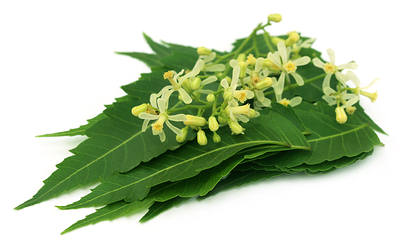
Neem, also known as Indian lilac, is another natural antibiotic. Neem helps fight the bacteria that cause pimples and acne. Unlike antibiotic medicines, neem fights bacteria without causing bacterial resistance over time.
In addition, due to its antibacterial nature, Neem keeps different types of oral problems like cavities, plaque, gingivitis and other gum diseases at bay.
  • To prevent skin infections, use cosmetics and skin care products that have neem as one of the main ingredients.
  • Take neem tablets to help remove accumulated toxins in the body and any parasitic organisms. Consult your doctor for the correct dosage.
Make sure you complete the full course of treatment as directed by your doctor; otherwise it may lead to the growth of bacteria and even cause them to become resistant to drugs, resulting in more serious illness.

For more health info and promotions, please follow us on Facebook- Wellness Lab
Download Wellness Lab mobile apps now for more promotions
If you like this article, you can share this to your friends and families , together we share the health information and the taste of a healthy life!